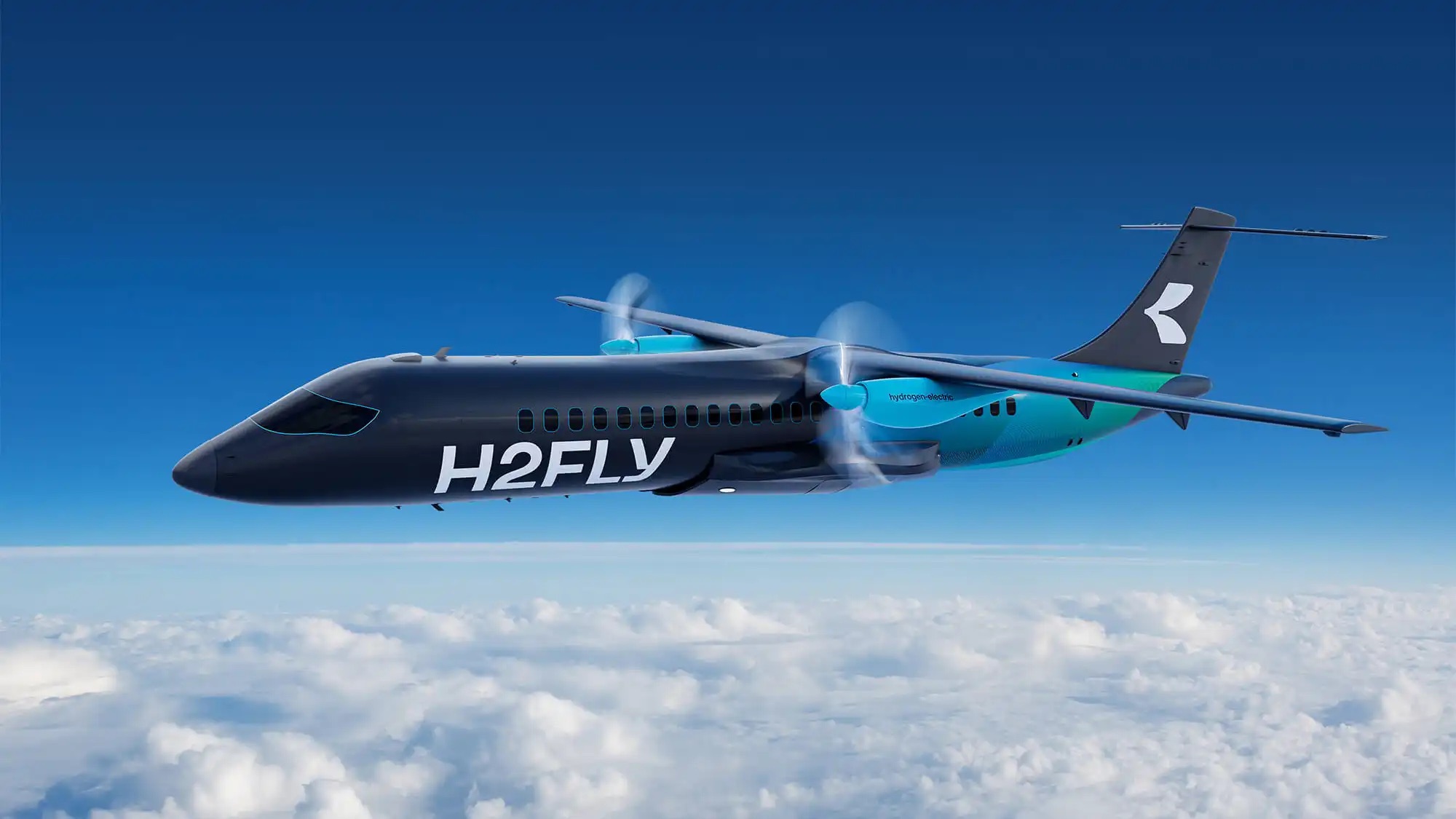
Amid ongoing delays and infrastructure concerns in the push for hydrogen-powered commercial aircraft, experts suggest that the initial adoption of hydrogen technology is more likely to occur in regional and utility aircraft rather than large airliners. H2Fly CEO Ralph Müller emphasized that smaller aircraft carrying up to 19 passengers, and involving less complex certification and infrastructure requirements, are the most feasible entry points for hydrogen propulsion.
Müller highlighted that using modular fueling systems and smaller-scale hydrogen supply chains at regional airports can enable early operational experience, gradually building toward broader adoption. He explained that liquid hydrogen, with its higher energy density, is considered vital for scaling longer-range flights, with Airbus having similarly focused on liquid hydrogen storage in its ZEROe studies.
The company is progressing with hydrogen-electric fuel cell propulsion, seeing this as an efficient solution for regional and short-haul flights. While some industry players, like Rolls-Royce and easyJet, are exploring hydrogen combustion via modified gas turbines, Müller believes multiple technologies will coexist, tailored to different aircraft sizes and mission profiles.
Overall, Müller stressed the importance of constructing a comprehensive hydrogen ecosystem — including infrastructure, operational procedures, and certification — to transition hydrogen aviation from testing to regular commercial service. He noted that regional airports offer a practical testing ground, with the industry's focus shifting from ambitious promises to practical capabilities and phased development, ensuring sustainable progress in hydrogen aviation.

