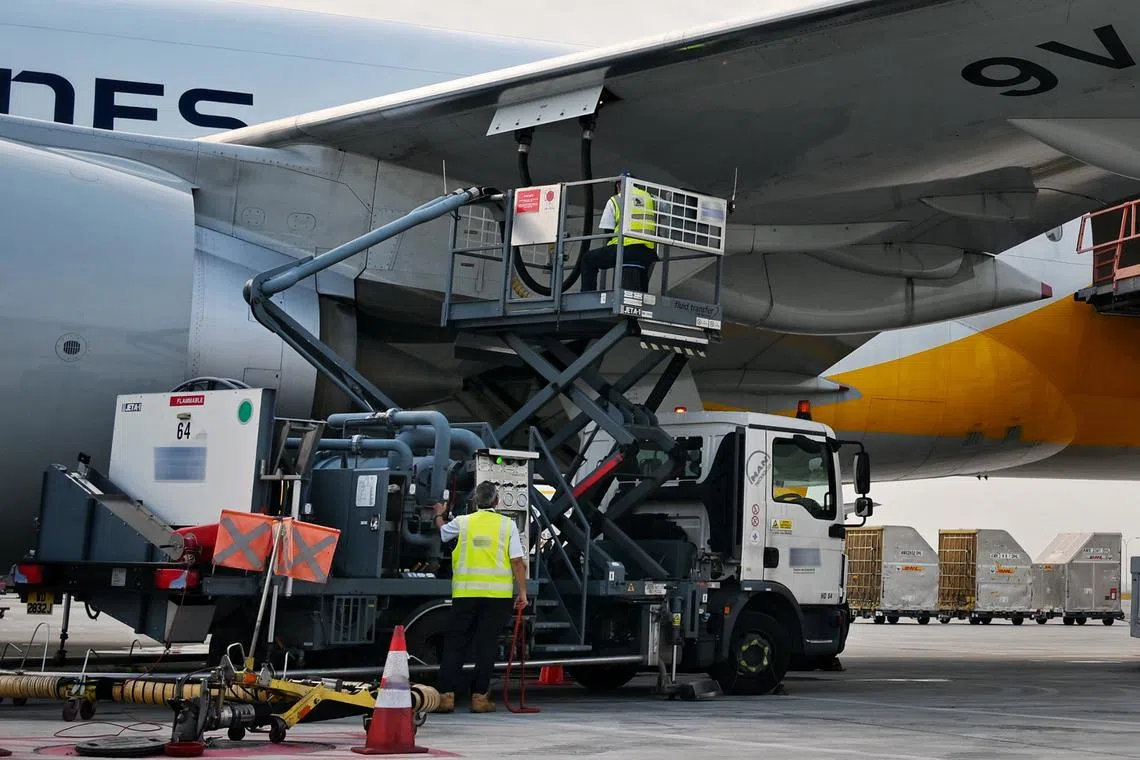
Airlines face a prolonged period of high jet fuel prices even if the Strait of Hormuz remains open, according to the International Air Transport Association (IATA) director-general Willie Walsh. In an interview on April 8, Walsh highlighted that many regional refineries have been severely damaged, making full recovery unlikely in the near term. Although the recent ceasefire between the United States and Iran has temporarily reopened the strait, about a quarter of the world's seaborne oil trade still experiences disruption.
Walsh explained that while crude oil flow might provide temporary relief, it will take months for the supply of jet fuel to stabilize, given the extensive damage to regional refineries. He emphasized that the high oil prices are likely to push up airfares, with airlines responding by increasing ticket prices and reducing flight frequencies to manage costs. For example, Cebu Pacific announced it would cut the frequency of some routes between Cebu, Iloilo, and Singapore.
Market outlook and industry resilience
The ceasefire has helped fill the capacity void caused by the ongoing conflict, but most Gulf carriers like Emirates and Qatar Airways are operating at significantly reduced capacities, with some sectors experiencing capacity drops of up to 62%. The situation remains dynamic, with many flights in the Middle East still limited or canceled. Walsh urged Asian governments to reassess their production capabilities for refined oil products and ensure energy security amid concerns over potential destruction of oil refineries in the Middle East.
Singapore, as a major oil trading and refining hub, remains critical in the global supply chain. Walsh commented that the delay of Singapore's green jet fuel levy was a prudent decision, as the higher prices for sustainable fuels diminish the incentive for additional production during the current turmoil. Overall, the industry anticipates slower but continued growth, with airlines expected to adapt through fare adjustments and operational measures until market stability returns.

