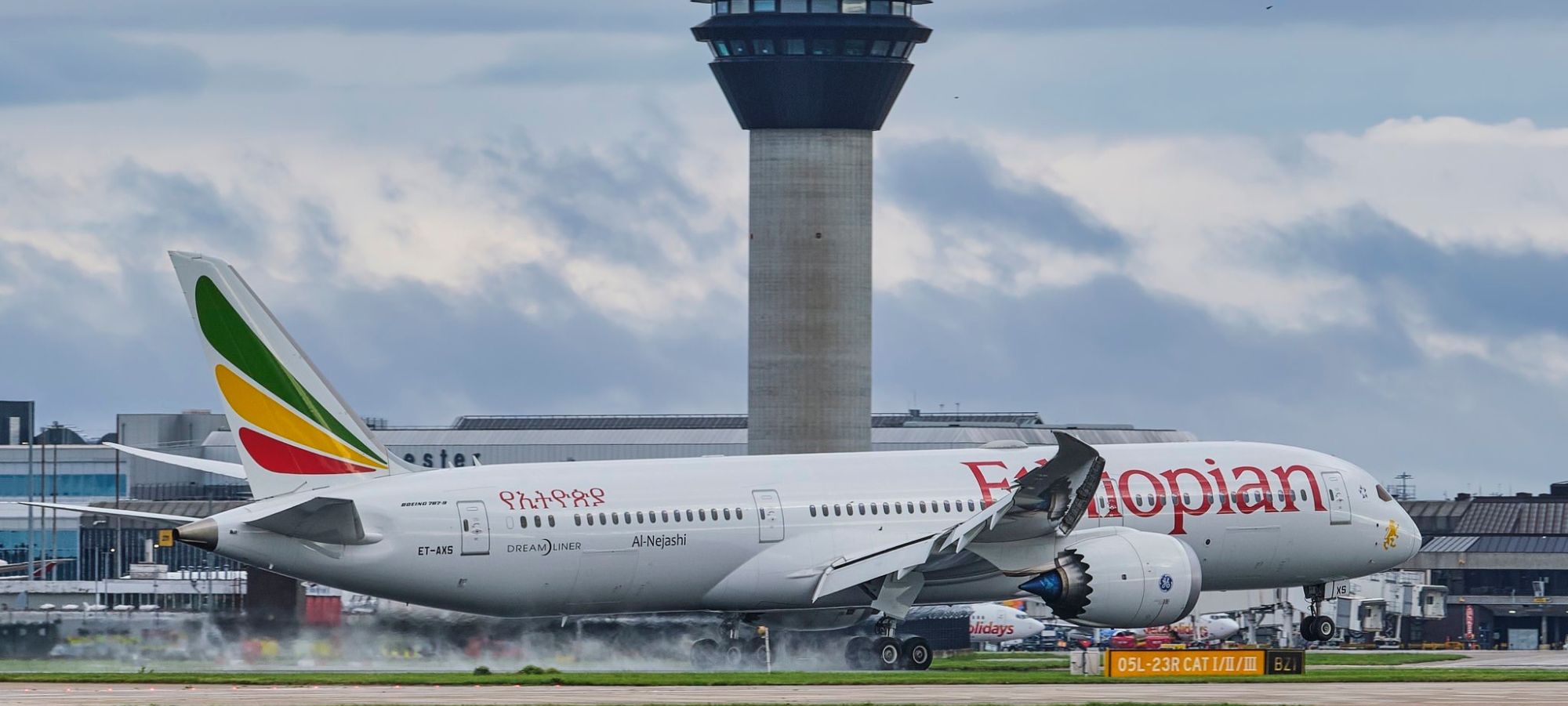
The International Air Transport Association (IATA) has underscored the importance of prioritizing aviation development in Africa, citing the steady growth in passenger and cargo demand across the continent. During the recent Focus Africa forum in Addis Ababa, regional vice president Kamil Alawadhi emphasized aviation as crucial infrastructure for economic progress and stressed the need for safety, cost-competitiveness, and sustainability to generate jobs, facilitate trade, and boost tourism.
Recent data indicates that African airlines experienced a 19.2% increase in demand in March, with capacity rising 4.2%, although ongoing conflicts in the Middle East disrupted key transit routes, leading to substantial financial losses for carriers like Ethiopian Airlines. The airline reported weekly revenue losses over $137 million at the height of these disruptions. Challenges such as higher taxes and charges—Africa's levies are, on average, 15% above global norms—also hamper intra-regional connectivity, with many travelers still requiring visas for regional travel, which suppresses tourism and economic integration.
Financial and Safety Challenges
Blocked airline funds continue to be a significant problem, totaling US$774 million owed across Africa as of March. Ethiopia's key role and financial health are impacted by delays in fund releases. Despite improvements in safety, Africa's accident rate remains the highest globally; efforts are underway to align with ICAO standards and improve accident investigation transparency, although only 19% of recent accidents have been thoroughly investigated compared to the global average of 63%.
Opportunities in Sustainability and Infrastructure
Looking ahead, the potential for sustainability initiatives such as SAF is promising, with estimates suggesting up to 106 million tonnes of SAF-suitable feedstock could be produced by 2050, primarily from agricultural and forestry residues. Ethiopia exemplifies this growth, with passenger numbers projected to tripled over the next two decades, highlighting the importance of ongoing investment in infrastructure and human resources. The continent's young demographic presents opportunities for job creation and economic development through aviation expansion.
Additionally, IATA has launched its Billing & Settlement Plan in Somalia, supporting efforts to expand aviation infrastructure and global connectivity for the country. Despite challenges, the combination of safety improvements, infrastructure investments, and sustainability efforts offers a path forward for African aviation to realize its growth potential.

