The ongoing conflict involving Iran has significantly impacted international aviation routes and energy markets worldwide. Air India has seen its US route capacity decline by 77.4% year-over-year due to airspace closures and rising jet fuel prices, prompting European and US airlines to absorb the displaced demand. Swiss International Air Lines, for example, increased its Delhi-Zurich flights by 76%, reflecting swift hub adjustments.
According to reports, the total number of international flights from India during March-May dropped by 17.5%, driven primarily by restrictions over Iranian and Pakistani airspace. US carriers such as American Airlines and United Airlines are reallocating capacity to capitalize on spillover demand in the premium cabin segment on India-US routes.
Geopolitical Dynamics and Future Outlook
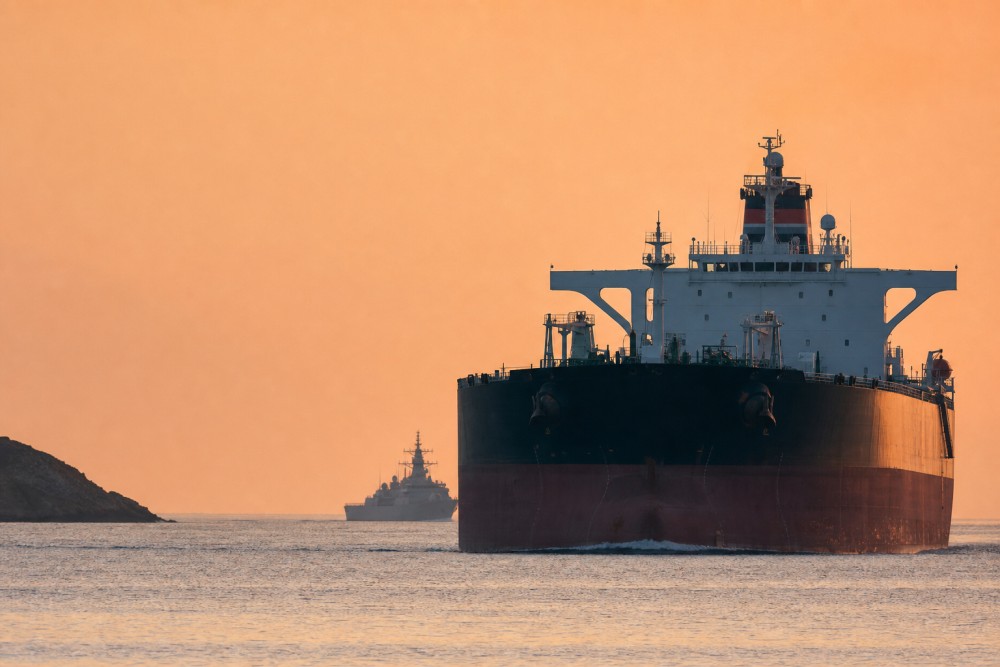
Meanwhile, tensions in the Gulf, particularly the presence of Chinese tankers stranded in the Strait of Hormuz, provide strategic leverage to the US ahead of upcoming diplomatic meetings with China. A $14 billion arms package for Taiwan, pending approval, further underscores the complex geopolitical landscape affecting commercial negotiations with China. Boeing and Nvidia are involved in the diplomatic efforts, highlighting the linkage between military, technological, and aviation interests.
The energy sector remains volatile, with sustained deterioration in Hormuz tanker traffic threatening to elevate crude prices and global refining margins. Overall, the conflict has escalated from a regional issue to a multifaceted disruption impacting supply chains, energy markets, and international diplomacy.

