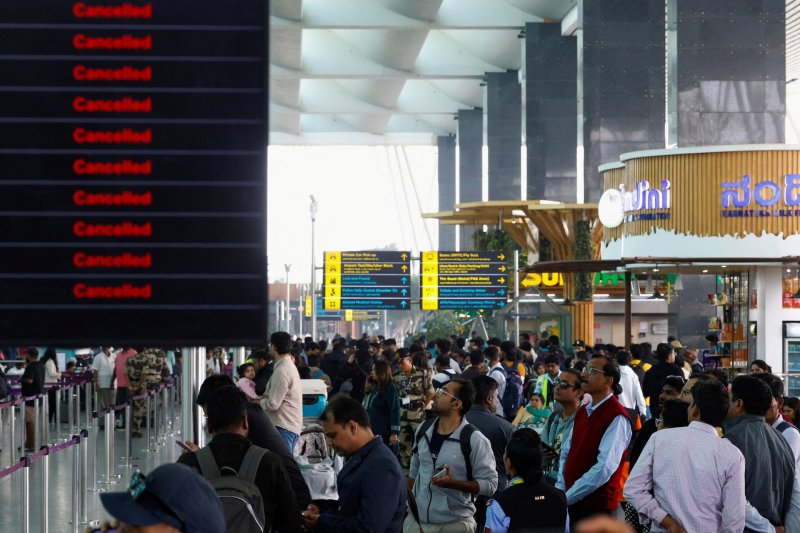
The ongoing conflict in the Middle East has led to significant disruptions in air travel, impacting over 6 million airline passengers, according to the latest industry data. Gulf carriers such as Qatar Airways, Emirates, and Etihad Airways have borne the majority of the cancellations since hostilities escalated at the end of February. Qatar Airways reported the highest seat losses, with more than 740,000 cancellations, reflecting the region’s severe operational impact.
Cirium, an aviation analytics firm, estimates that nearly 2.2 million airline seats have been lost among Middle Eastern airlines. These figures are based on an 80 percent load factor and an average of 242 seats per flight, excluding intra-regional routes. Since the conflict commenced, more than 98,000 flights were scheduled to operate in and out of the region, but over half have been canceled so far, highlighting the scale of disruption.
Despite ongoing airstrikes and security concerns, Gulf airlines are cautiously rebuilding their networks. Emirates is operating to more than 100 destinations from Dubai International Airport, while Etihad has scheduled dozens of flights from Abu Dhabi. Meanwhile, some international carriers like British Airways and Lufthansa have extended suspensions, reflecting continued regional uncertainties.
Airlines are gradually restoring capacity, but the outlook remains uncertain. The aviation industry continues to adapt to the evolving security situation, balancing operational challenges with the need for safety and recovery planning.

