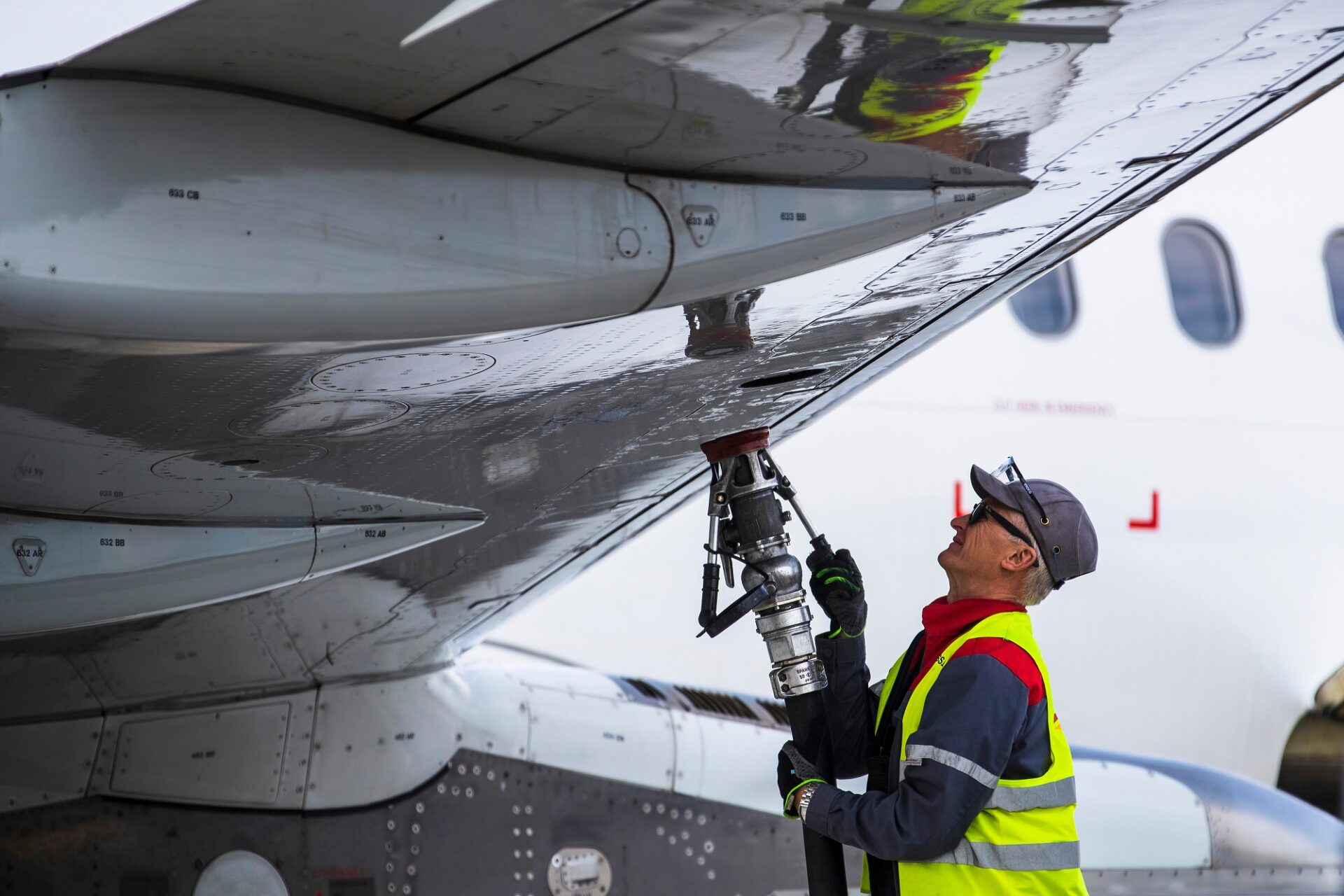
India has recently revised its export duties on aviation turbine fuel (ATF) and diesel in response to surging global oil prices, primarily driven by ongoing geopolitical tensions in the Middle East. Effective April 11, 2026, the government increased the export tax on jet fuel to 42 rupees per liter (approximately $0.50), up from 29.5 rupees, aiming to retain more fuel within the country and support domestic airlines facing rising operating costs.
This latest move follows an initial windfall tax introduced on March 26, which set the duties at 29.5 rupees per liter for jet fuel and 21.5 rupees for diesel. The recent hikes have more than doubled diesel duties and significantly raised ATF taxes, reflecting the government’s strategic effort to curb exports and redirect supplies internally amid a rapidly evolving market landscape.
Government Measures and Industry Impact
Indian authorities have signaled that these duties are flexible and could be adjusted further based on fluctuating global oil prices, with additional increases possible if market volatility continues. Besides duties, the government has added excise and infrastructure levies on diesel to bolster fiscal revenues. The policy comes as global jet fuel prices have nearly doubled over recent weeks due to the Middle East conflict, increasing pressure on airlines worldwide.
Jet fuel remains one of the largest expenses for airlines, accounting for around 40% of their operating costs. The recent duty hikes are designed to limit exports and support domestic supply, although they also raise concerns about increased airline expenses.
Meanwhile, airlines operating within India are temporarily capped from passing on the full extent of these costs to consumers, with a regulation limiting monthly ATF price increases to 25% for April. The Indian government’s intervention aims to mitigate the financial impact on carriers while maintaining market stability during uncertain times.

