India's aviation market is experiencing rapid expansion, with major carriers like IndiGo and Air India planning to acquire nearly 1,500 aircraft over the next decade. This growth is driven by soaring passenger demand but faces hurdles linked to supply chain delays from Boeing and Airbus, which hold significant portions of the global aircraft market.
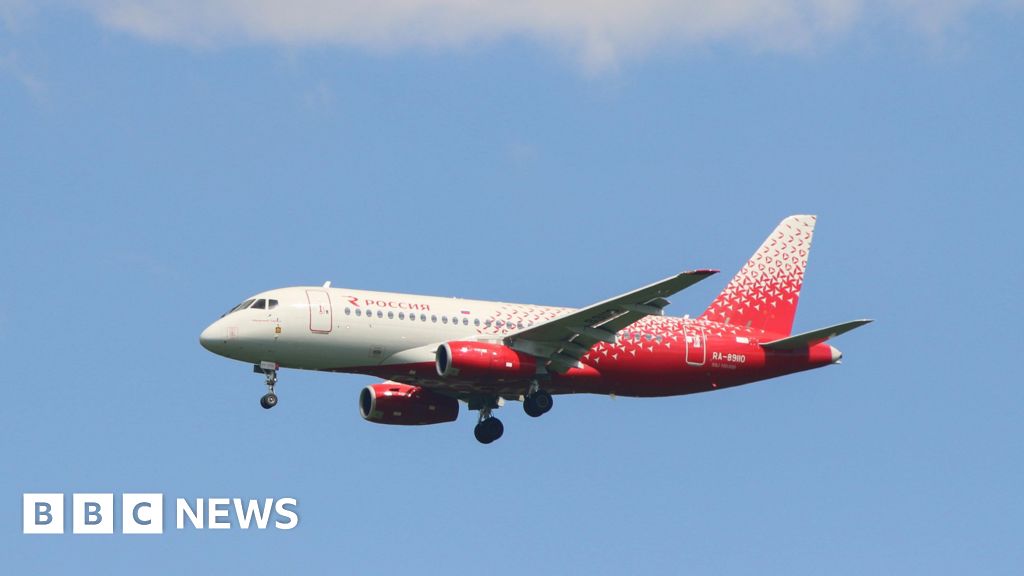
Recently, India and Russia signed an initial agreement to manufacture the SJ-100 passenger aircraft domestically. The twin-engine jet, capable of carrying up to 103 passengers, is already operational in Russian airlines. Delhi views the SJ-100 as a potential "game changer" for short-haul routes, but experts question the feasibility of the Russian plan amid geopolitical and technological challenges, especially following sanctions and certification issues.
India has a long history of attempts to develop domestic civil aircraft, dating back to the 1960s. Despite some successes, such as license-produced planes and small trainers, large passenger aircraft manufacturing has remained out of reach. Projects like the Saras and RTA have seen limited progress, hampered by infrastructural and demand constraints.
Industry specialists highlight that the lack of a large domestic aircraft market, skilled manpower shortages, and limited manufacturing ecosystems have impeded the sector's growth. Nonetheless, officials and experts suggest engaging with global partners as a strategic solution. The Indian government continues to pursue domestic developments, but the Russian SJ-100 deal currently appears to be a practical alternative, despite its uncertainties.
In parallel, the sector struggles with operational challenges, including pilot staffing issues that led to the cancellation of thousands of flights recently. The expansion of India's aviation sector remains contingent on both aircraft availability and the development of trained personnel, which requires long-term planning and investment.

