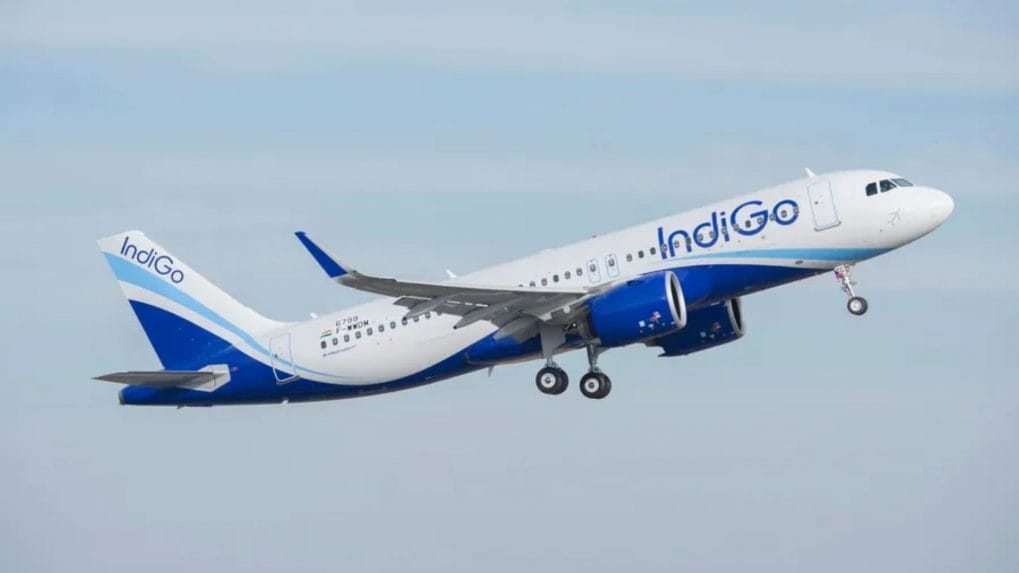
India’s aviation sector is experiencing a significant crisis rooted in operational failures, regulatory lapses, and market concentration. IndiGo, the country's leading airline, has faced widespread cancellations and crew shortages, revealing systemic weaknesses exacerbated by past illegal sector operations that pushed pilots beyond safety limits. The Directorate General of Civil Aviation (DGCA) has temporarily eased pilot duty restrictions until February 10 to mitigate disruptions, though this move has raised safety concerns among industry experts.
Passengers are particularly affected, with demand-driven fare spikes on routes like Delhi to Bareilly reaching unprecedented levels of fifty thousand rupees. This surge reflects the limited competition within the sector, which is dominated by IndiGo and Air India, collectively controlling about 60% of the domestic market. Aviation specialists warn that such a duopoly leaves the network vulnerable; operational problems with one carrier can cascade into the wider system, causing widespread disruptions.
Legal and industry analysts have criticized airline leadership for neglecting safety and accountability. Yeshwant Shenoy, an aviation lawyer, pointed out that IndiGo's illegal flights and regulatory violations threaten passenger safety and undermine public trust. The crisis also exposes deeper structural issues, such as insufficient regional connectivity and low market elasticity, which prevent demand from adjusting smoothly to operational disruptions.
Experts recommend diversifying the market by encouraging the entry of more carriers, expanding regional routes, and enforcing stricter oversight and safety norms. Improved transparency and communication from airlines are essential for restoring confidence and preventing future crises. Without substantial reforms, India risks recurring disruptions that could harm its growth and connectivity in the aviation sector.

