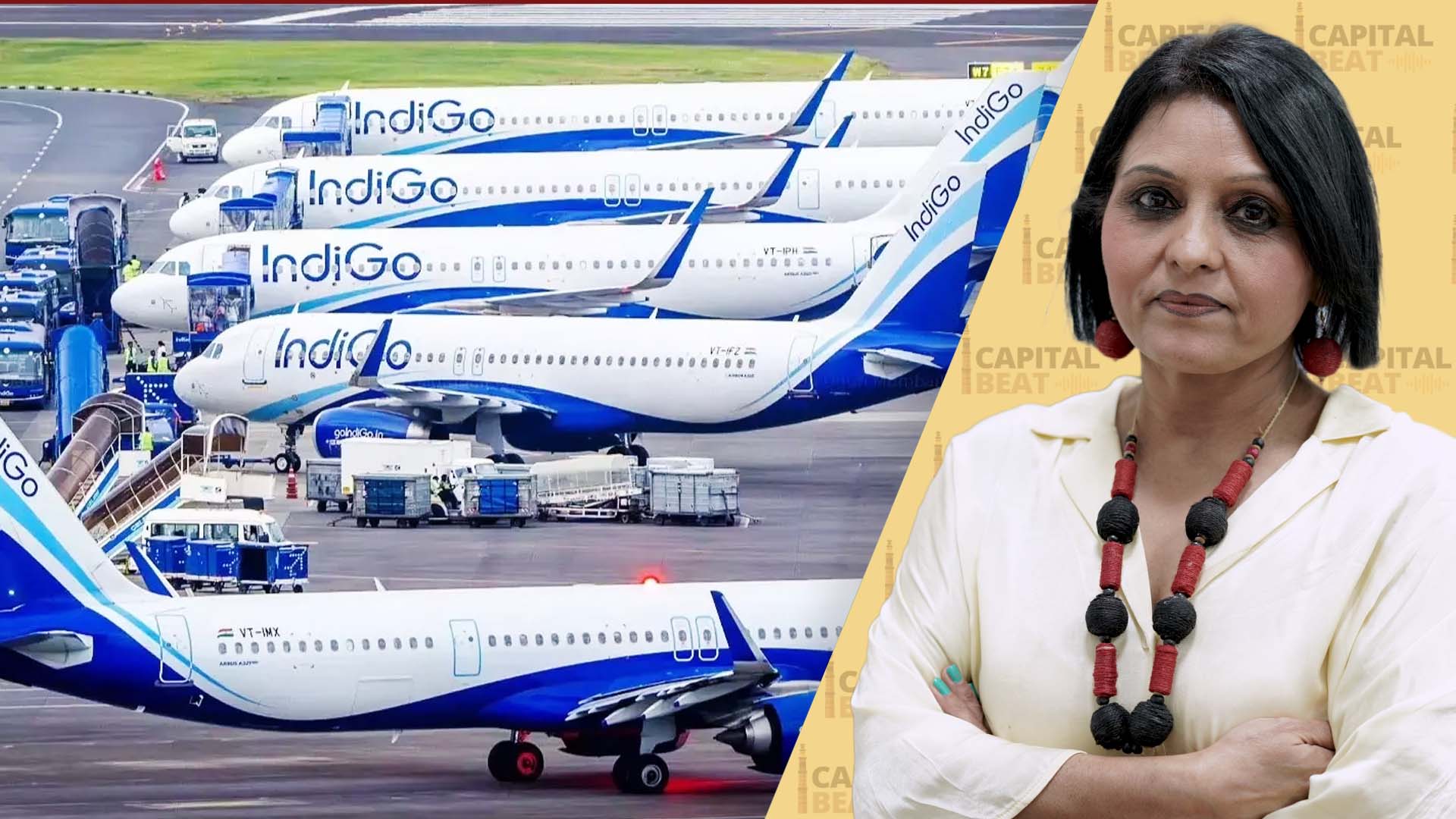
India’s aviation industry is currently undergoing a critical test of its credibility amid widespread flight cancellations linked to IndiGo Airlines. Over the past four days, the airline grounded more than 1,000 flights due to inadequate planning and a controversial rollback by the Directorate General of Civil Aviation (DGCA) on new pilot duty rules. This has resulted in significant delays, stranded passengers, and mounting concerns over passenger safety, airline monopolies, and regulatory effectiveness.
Experts highlight IndiGo's dominant market share, which holds around two-thirds of India's domestic air travel, raising fears of monopolistic practices. Air Marshal M Matheswaran (Retd) criticized the airline, calling it "greedy and unethical," and stressing that its dominance compromises safety and fair competition. The panel also pointed out that regulatory agencies such as the Competition Commission of India and DGCA have failed to prevent such monopolistic scenarios, thereby enabling airlines like IndiGo to operate without sufficient checks.
The Role of Regulatory Oversight and Systemic Gaps
The DGCA has faced heavy criticism for its handling of the crisis, particularly regarding the implementation of new flight and duty time regulations, which were repeatedly deferred at airline request. Aviation safety experts noted the regulator's lack of professionalism, conflicts of interest—citing reports that a Vice President of IndiGo is also part of DGCA—and its tendency to reverse circulars, indicating regulatory capture. Concerns are also raised about the rise in airline ticket prices, exemplified by a flight from Patna to Chennai whose fare surged from Rs 8,000 to Rs 75,000.
“The system suffers from outdated regulations and weak enforcement, with exemptions becoming the norm,” said an aviation expert.
The discussion extended to systemic issues, including the possibility of breaking up IndiGo into separate entities to foster competition. Matheswaran suggested government intervention akin to international precedents where large corporate monopolies have been dismantled. There are also reservations about recent moves by companies such as the Adani Group, which may consolidate control in pilot training and ground operations, further increasing market concentration.
The panel concluded that India’s aviation’s safety and competitive framework suffers from weak enforcement, outdated regulations, and insufficient public voice. Experts called for structural reforms, greater oversight, and regulatory independence to safeguard passenger interests and restore industry integrity.

