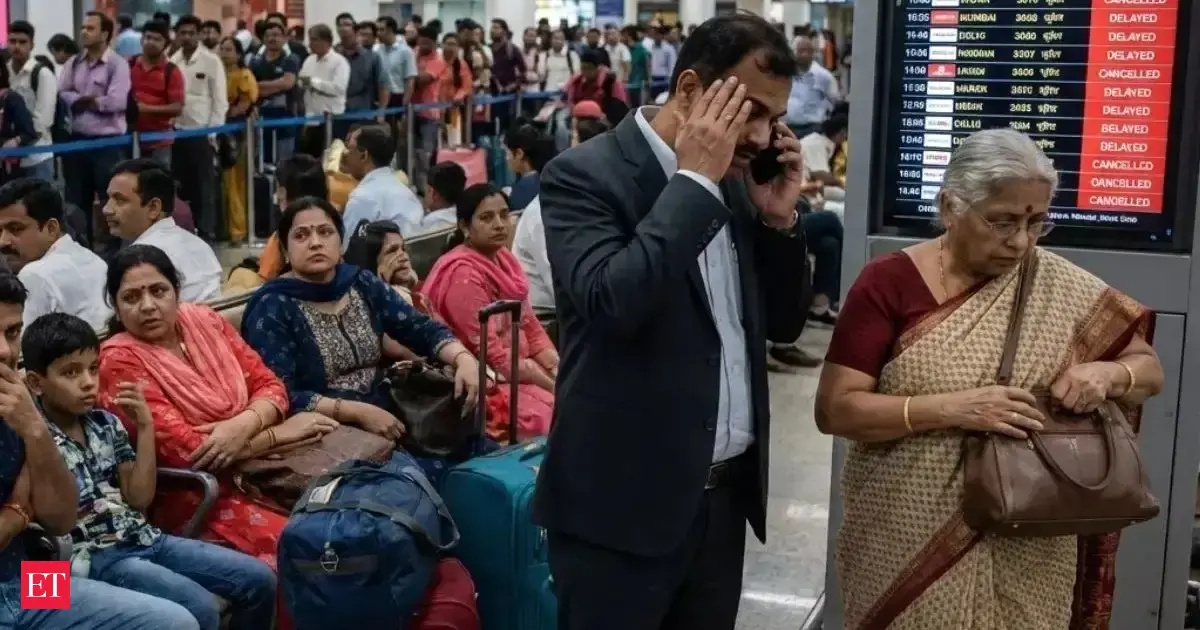
India's aviation industry experienced significant operational strains and safety concerns in 2025, despite strong passenger demand and infrastructure expansion. Major incidents included a deadly crash of an Air India Boeing 787-8 Dreamliner shortly after takeoff from Ahmedabad, which resulted in 260 fatalities, and widespread flight cancellations triggered by new pilot rest regulations affecting IndiGo, the country's largest airline. Additionally, GPS spoofing incidents at major airports like Delhi, Mumbai, and Bengaluru raised cybersecurity alarms, questioning airport and airline safety protocols.
The sector's growth was marked by international investment in aerospace, including SpiritJet’s order for 100 HORIZON aircraft, and increased bilateral air travel agreements with Gulf nations. However, the industry’s profitability remained weak, with huge losses reported by Air India and continued financial stress on other carriers. Regulatory scrutiny intensified as the Directorate General of Civil Aviation (DGCA) faced staffing shortages and implemented new safety protocols, which, while aligning India with global standards, disrupted airline operations and caused delays.
Infrastructure developments progressed with the near-launch of Noida International Airport and ongoing enhancements at Navi Mumbai International Airport, aimed at easing congestion and supporting future growth. Despite the growth in passenger numbers, airline margins were pressured by high operating costs, fuel prices, and currency volatility. The year underscored the need for improved safety oversight, operational resilience, and sustainable profitability, with industry stakeholders questioning whether recovery from 2025's challenges is possible in the near term.

