India’s aviation industry has long reflected a paradox of ambitious expansion alongside systemic failures. Since the economic liberalisation of the 1990s, private airlines emerged, offering affordable travel to the middle class and symbolizing the nation’s aspirations to fly. However, numerous carriers—including Kingfisher, Sahara, and Jet Airways—have faced bankruptcy, debt crises, and shutdowns, revealing deep-rooted structural issues.
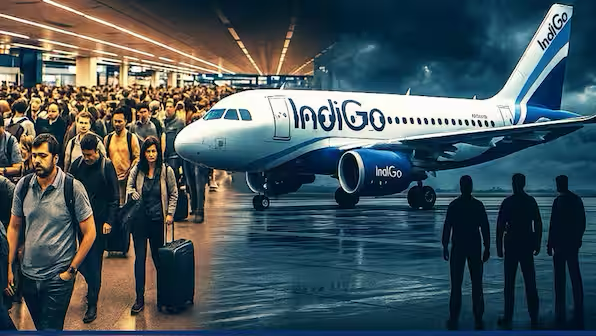
Today, even the leading airline IndiGo, launched in 2006, grapples with rising operational costs, pilot shortages, flight cancellations, and market volatility. Meanwhile, public carrier Air India, now under Tata Group ownership, has shown signs of revival amid ongoing challenges. Despite these efforts, the cycle of failure persists, driven by high costs, low fares, reliance on foreign leasing, and regulatory inadequacies.
Structural Challenges and Systemic Weaknesses
The roots of the crisis lie in political interference, corruption, and inefficient management that have historically plagued both government-run and private airlines. Expenditure in dollars for fuel, aircraft leasing, and maintenance contrasts sharply with revenue earned in rupees, amplifying financial strains. Historically, poor oversight by aviation regulators and leniency in licensing have allowed weak business models to operate, culminating in groundings and passenger losses.
"Unless the DGCA enhances oversight, pilot training improves, and financial transparency increases, India’s aviation industry will continue to face cycles of growth and collapse," said industry analysts.
The recent reorganization of Air India under Tata, along with the emergence of new airlines like Akasa, offers hope. However, unless key systemic reforms occur—strengthening regulation, ensuring safety, and establishing mechanisms to protect passengers during airline failures—the sector's volatility will persist.
Overall, India’s aviation industry remains vital to the country's integration and economic growth, but the recurring crises threaten passenger trust and systemic stability. Addressing these issues requires comprehensive policy, regulatory, and management reforms to ensure sustainable development and restore confidence in Indian air travel.

