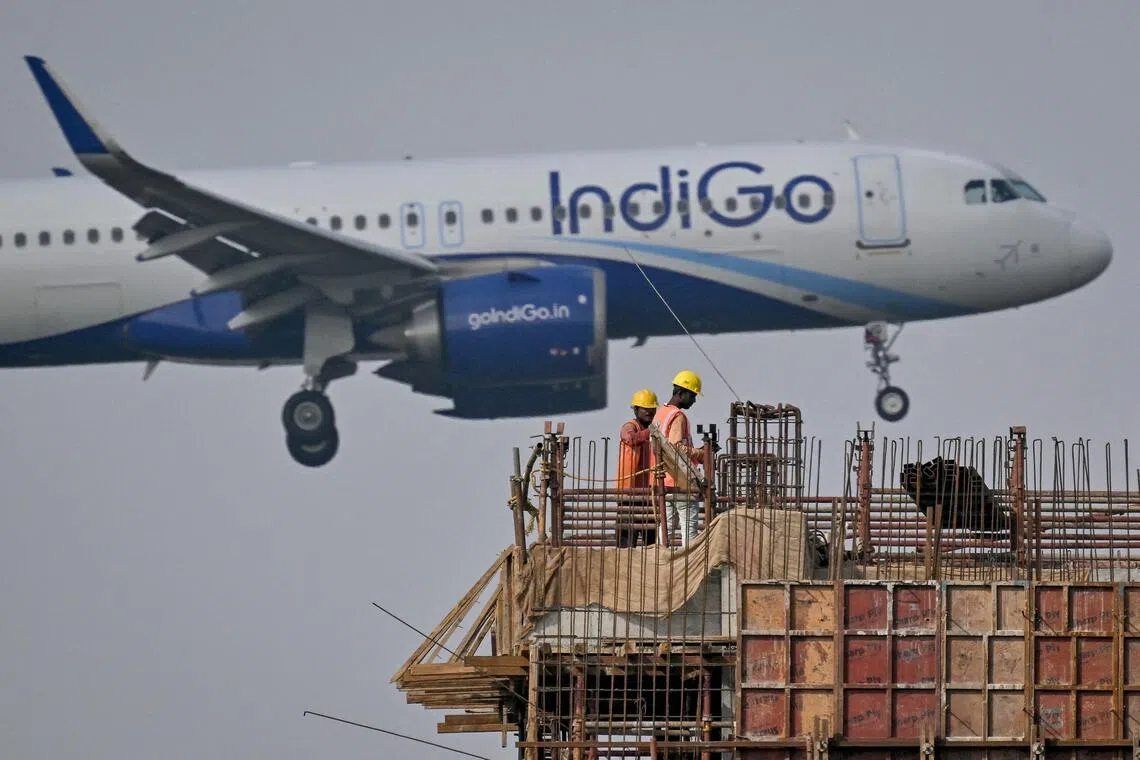
India’s largest airline, IndiGo, is currently facing increased oversight from the country's civil aviation authority following significant disruptions in flight operations. The Directorate General of Civil Aviation (DGCA) has dispatched two monitoring teams to scrutinize various aspects of IndiGo’s operations, including crew management, fleet handling, and the status of cancellations. This move marks an unprecedented level of intervention, aimed at stabilizing the airline amid the ongoing crisis.
The disruptions stem from recent changes to pilot rest rules, which led to the cancellation of over 3,000 flights last week. The regulator's actions also include ordering IndiGo to reduce its flight routes by 10%, due to the airline's dominant position in the market. These steps aim to mitigate the effects of crew shortages and restore operational stability.
Industry Response and Future Plans
In response to the gap left by IndiGo's cancellations, competing airlines such as Air India, SpiceJet, and Akasa Air are planning to increase their flight capacity. Air India is considering shifting some capacity from low-demand routes to high-traffic metro hubs, while SpiceJet is preparing to add up to 100 additional flights during the winter schedule, pending regulatory approval.
"The regulator’s intervention is a necessary step to maintain safety and operational integrity," said a DGCA spokesperson.
Legal proceedings related to passenger compensation are also progressing, with the Delhi High Court emphasizing that affected customers should receive full refunds and damages. Meanwhile, the government is contemplating easing price controls on airlines to facilitate increased service offerings, potentially within a week, to help industry recovery. The situation remains uncertain as the aviation sector works to regain stability and public confidence.

