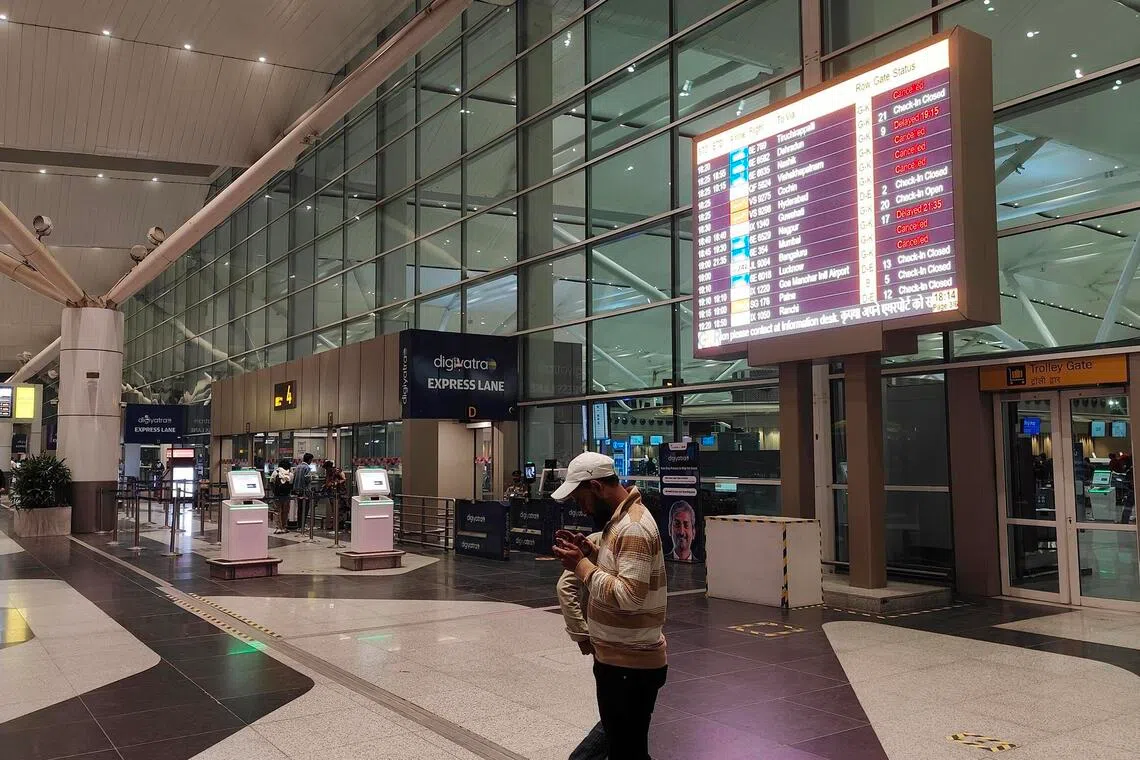
India’s leading airline, IndiGo, has encountered a severe operational crisis following the cancellation of over 2,000 flights across the country since early December due to staffing failures and new safety regulations. Thousands of passengers have been stranded at airports, facing delays and uncertainty, with many reporting a lack of timely information, assistance, and accommodations. The crisis stems from IndiGo’s failure to adequately plan for regulatory changes that extended mandatory rest periods for pilots, resulting in crew shortages and widespread cancellations.
The Directorate General of Civil Aviation (DGCA) responded by issuing a show-cause notice to the airline’s CEO, Pieter Elbers, demanding an explanation within 24 hours for the operational failures. The airline has been working to restore its services, operating nearly double the number of flights on December 7 compared to two days prior. However, hundreds of flights remain canceled, significantly impacting approximately 100,000 travelers and diminishing IndiGo’s punctuality from 80% to 30%.
Passenger Impact and Industry Response
Many affected passengers include individuals attending personal events, employment interviews, or returning home. Reports highlight that some passengers faced overnight delays with limited support, prompting public outrage expressed through social media memes and criticism. Industry experts and regulators have called for improved planning and oversight to prevent such crises, emphasizing the importance of regulatory compliance and strategic staffing.
Analysts advocate for increased competition in India’s aviation sector to mitigate a potential duopoly and foster greater resilience. The incident underscores the necessity for airlines to better anticipate regulatory changes and maintain robust operational protocols, ensuring passenger safety and reliability in a rapidly expanding market.
While IndiGo endeavors to catch up on flights and address passenger grievances, this episode raises critical questions about regulatory effectiveness and airline preparedness for unexpected disruptions. Going forward, both industry players and authorities must focus on sustainable practices that balance safety, customer service, and operational stability.

