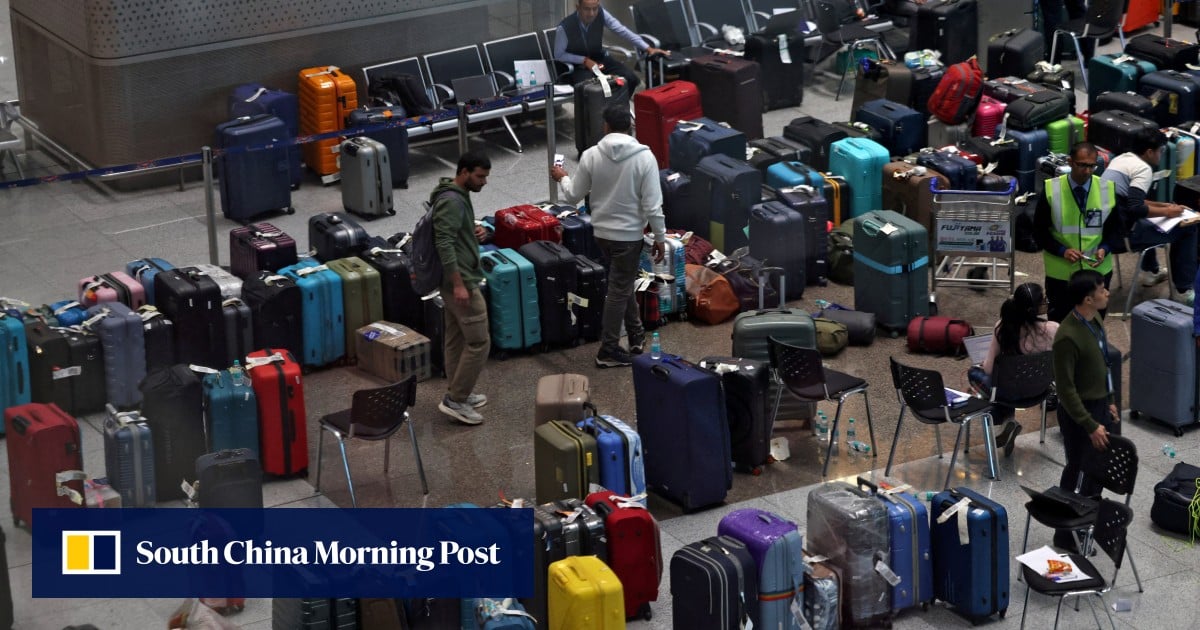
India’s largest airline, IndiGo, experienced a significant crisis last week, grounding nearly 3,000 flights amidst a severe pilot shortage and recent regulatory changes. The airline's inability to recruit enough staff to comply with new government safety rules has led to widespread flight cancellations, highlighting structural challenges within India’s fast-growing aviation sector.
The disruptions included over 1,000 cancellations on a single day, with overall cancellations accounting for nearly half of IndiGo's daily operations. Despite increasing the number of flights operated from the previous day, the airline's fleet of 417 aircraft struggled to meet the demands of a market dominated by just two major carriers. India’s Directorate General of Civil Aviation (DGCA) extended pilots’ mandatory rest periods from 36 to 48 hours, and limited the number of landings during late-night and early-morning slots, prompting operational difficulties.
Regulatory Changes Impact Pilot Staffing and Flight Scheduling
India’s aviation authorities informed airlines more than a year ago about the new crew rest and duty regulations. However, IndiGo reportedly did not implement the required adjustments in crew planning and scheduling, leading to the current crisis, according to Shantanu Gangakhedkar, a senior aerospace consultant.
The pilot shortage is compounded by the airline’s rapid growth and the industry’s overall challenge to recruit and train qualified staff amid a competitive and expanding market. India’s aviation minister Kinjarapu Rammohan Naidu has promised strict action to address the chaos and restore stability in domestic air travel.

