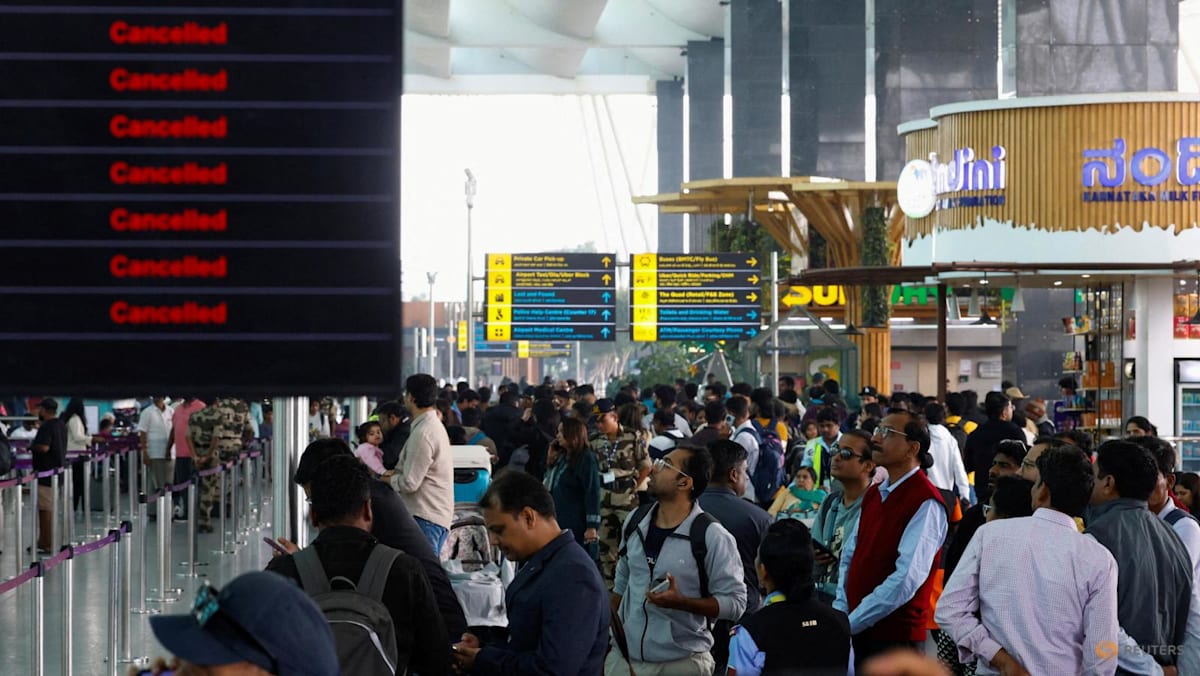
The airline IndiGo, India’s leading low-cost carrier, has faced an extraordinary number of flight cancellations, beginning on December 2, 2025. This has resulted in significant disruptions at airports nationwide, with over 3,400 flights canceled in a matter of days, marking a stark departure from its usual reliability.
The crisis stems from a critical pilot shortage, further worsened by delays in implementing India’s Flight Duty Time Limitations (FDTL), regulations designed to improve pilot working conditions and safety standards. The airline successfully completed the first phase of these rules in July but failed to meet the stricter restrictions mandated from November 1, particularly those limiting night landings, leading to a shortfall of legally rested crew and the grounding of large portions of its fleet.
This sequence of events underscores deeper structural issues within India’s aviation sector, including an underdeveloped pilot training infrastructure and the migration of experienced pilots to Gulf carriers offering better pay and conditions. Moreover, safety concerns have been elevated after reports that Air India operated aircraft without proper safety certificates, casting doubt on regulatory oversight.
While airline executives have apologized and claim operations are stabilizing, industry experts warn that these disruptions expose significant systemic weaknesses. Addressing these vulnerabilities is crucial for India to realize its aspirations as a significant player in global aviation and economic spheres, requiring comprehensive sector reforms.
Impacts and future outlook
Moving forward, stabilizing India's aviation industry entails enhancing pilot training capacity, tightening safety regulations, and ensuring effective enforcement of operational standards. Only through such measures can India sustain its growth trajectory and maintain safety and service levels expected of a burgeoning aviation hub.

