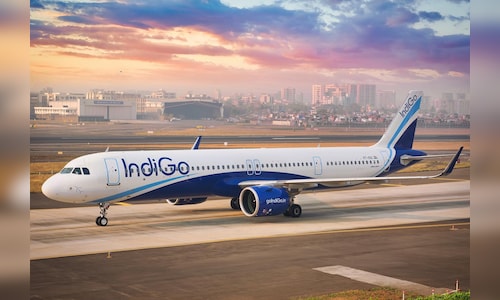
InterGlobe Aviation, the parent company of IndiGo, saw its shares rebound after the airline announced a fuel surcharge on all domestic and international routes amid escalating fuel prices linked to geopolitical tensions in West Asia.
The company stated that its operations were impacted by rising aviation turbine fuel (ATF) costs due to ongoing conflicts involving Iran, the United States, and Israel. To mitigate this, IndiGo implemented a surcharge effective March 14, 2026, which varies based on route: ₹425 per sector domestically, ₹900 to ₹2,300 internationally, depending on the destination.
Major brokerage firms reacted positively; Citi maintained a 'Buy' rating with a target price of ₹5,100, citing potential yield improvements of 8-10% despite reduced flight frequencies, particularly in Middle East routes. Similarly, UBS also issued a 'Buy' recommendation, with a target of ₹5,480, mentioning the surcharge's positive impact on revenue prospects.
Despite the short-term share decline of 2.11%, the overall outlook remains optimistic, with analysts noting that the airline’s capacity to absorb higher fuel costs depends on whether fares remain elevated for a sustained period. The company highlighted that the surge in regional fuel prices, which increased by over 85%, significantly affects its operating costs and route planning.
In response to these developments, IndiGo has adjusted its operations on Middle East routes, reducing flights from around 150-160 daily before to 36 currently, reflecting the impact of geopolitical tensions. The airline emphasizes that a proportionate increase in airfares is necessary to fully offset the heightened fuel expenses but also recognizes that sustained elevated fares could provide sufficient buffer against crude oil price fluctuations, even if prices reach $83 per barrel.
Market analysts are largely positive, with 22 of 27 holding a 'Buy' rating. Nonetheless, the company's shares have already declined 19% year-to-date, closing at ₹4,162.
The airline reaffirms that its strategic response aims to balance operating costs and revenue, with the fuel surcharge serving as a key component during this period of volatility.

