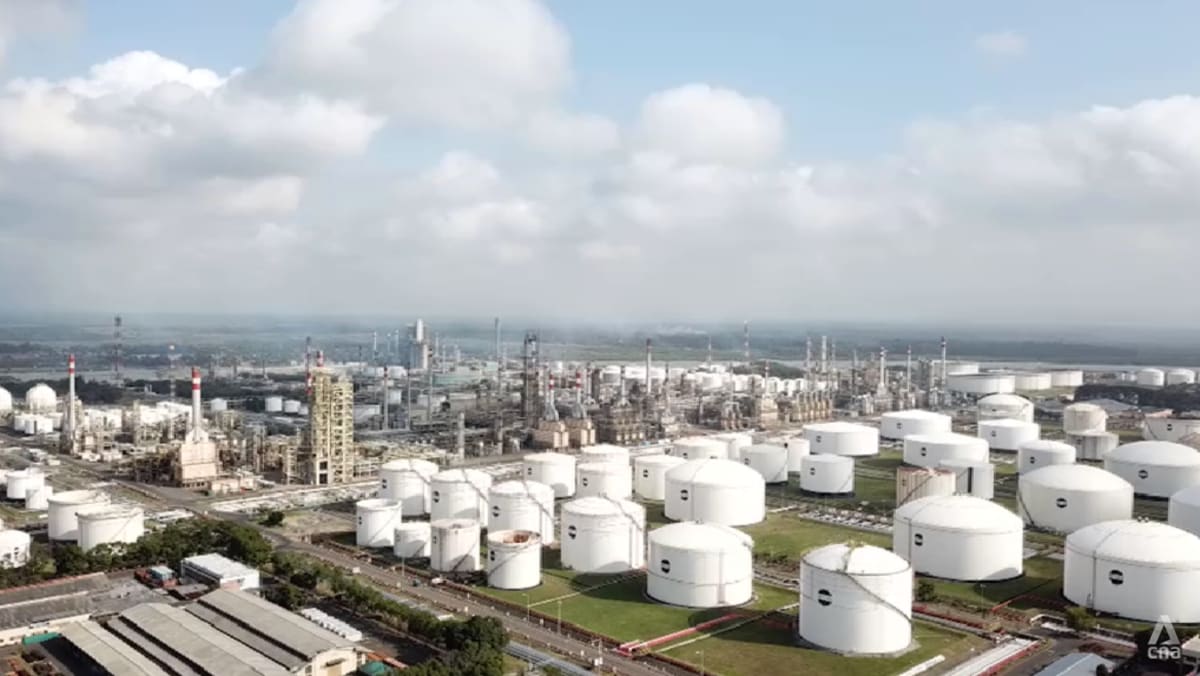
Selling used cooking oil has become a supplementary income for residents near Indonesia’s largest refinery, which is also central to the nation's sustainable aviation fuel (SAF) plans. Pertamina’s Cilacap refinery, the most extensive in Indonesia, currently produces SAF at its facility in Central Java and aims to increase capacity by developing green refineries across various regions.
The Indonesian government has set ambitious targets, including raising the SAF blend mandate to 5% for international flights by 2035 and producing over 1 million kilolitres annually by 2030, mainly using used cooking oil as a key raw material. The Cilacap refinery can generate about 1.4 million liters of SAF daily, with a significant portion sourced from used cooking oil, which is chemically processed and converted into jet fuel that reduces carbon emissions by up to 80%.
Scaling Up Use of Used Cooking Oil and Local Innovation
Pertamina is also working to enhance the efficiency of its green refining process by developing new catalysts locally, aiming to increase the proportion of used cooking oil in its fuel blends. Indonesia’s large potential supply of used cooking oil — approximately 6 to 7 million tonnes a year — presents an opportunity, but currently about 95% is exported, primarily to Europe and Asia. Community-driven initiatives in collecting used cooking oil are vital, with residents benefiting from small income streams as they sell their waste oil, contributing to the country's SAF production goals.
“Our research and development team is always trying to improve the catalyst so that the used cooking oil content can be increased to more than 3 per cent,” said process engineer Novan Adhi Prakasa.
Industry experts highlight that high production costs remain a challenge, as SAF can be two to five times more expensive than conventional jet fuel. To mitigate increased ticket prices, calls are made for government intervention, including tax relief. Despite these hurdles, Indonesia aspires to strengthen its role in regional sustainable aviation and reach its net-zero emissions targets, emphasizing domestic feedstock development and scaling up local green fuel infrastructure.

