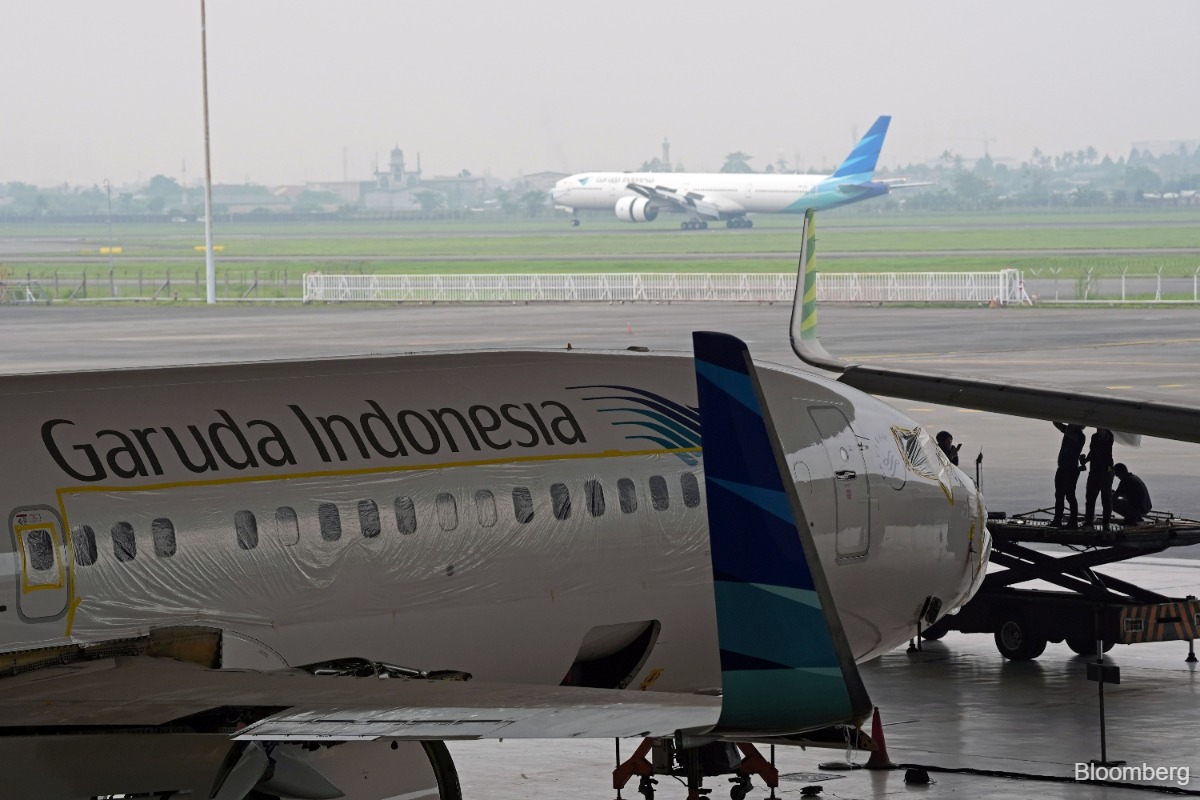
The Indonesian airline Garuda Indonesia is facing significant financial challenges, compounded by a reduction in support from its government-owned sovereign wealth fund, Danantara. The fund had previously committed to a US$1.8 billion support package to help the carrier with fleet renewal and operational costs. However, recent disclosures reveal that only 23.7 trillion rupiah (approximately US$1.4 billion) will be provided, with plans for fleet expansion no longer included.
Garuda has been struggling financially since the COVID-19 pandemic, leading to grounded aircraft due to unpaid maintenance bills. As of June, the airline and its subsidiary Citilink Indonesia had nearly 40% of their fleet—51 aircraft—on the ground, up from 33 a year earlier. The high costs of leasing new aircraft amid global shortages and increasing travel demand have further strained the airline's finances.
Strategic Outlook and Industry Concerns
Industry analysts, such as Gerry Soejatman, emphasize the importance of consolidating existing grounded aircraft and returning them to service before committing to expensive fleet expansion. He advocates for prudence in ordering new aircraft under current financial constraints, suggesting that prioritizing aircraft reactivation could be more beneficial for Garuda in the short term.
The airline's ongoing issues highlight the broader challenges faced by carriers in a post-pandemic recovery phase, where financial stability and fleet management remain critical. The decision by Danantara to limit its support underscores the uncertain outlook for Garuda Indonesia's future fleet development and operational turnaround efforts.

