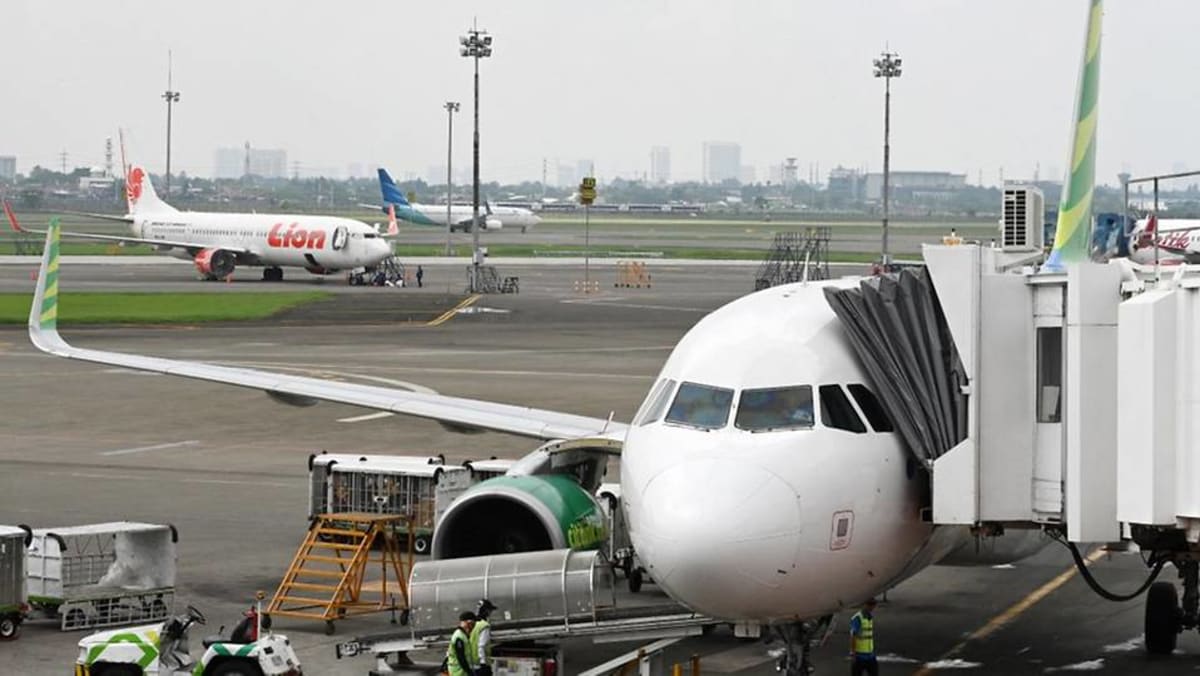
Indonesia's Domestic Airline Market Declines Amid Economic Uncertainty and Fleet Constraints
The Indonesian domestic air travel market has experienced significant contraction, contributing to slower regional growth in Southeast Asia's aviation sector. Recent data shows that Indonesia's domestic travel within the country has dropped by approximately 34 per cent compared to 2018, with figures remaining below 70 million passengers annually since the pandemic.
Despite Indonesia's large population of 288 million and geographic advantages, both demand and supply factors have hindered recovery. Consumer confidence has waned due to rising unemployment and currency depreciation, with the Indonesian rupiah reaching an all-time low against the US dollar early this year. Airlines face rising operational costs, further discouraging travel.
Fleet Constraints and Market Power
Aircraft availability is a key challenge, with Indonesia’s fleet shrinking by 30 per cent since before the pandemic. Currently, about 170 aircraft are inactive, including only two less than five years old from Airbus or Boeing. Market dominance by two airline groups, controlling approximately 90 per cent, limits competition and slows fleet renewal, exacerbating capacity shortages.
"Fewer Indonesians can afford to fly or have the discretionary income, which keeps demand weak," said Brendan Sobie, an aviation analyst. "Fading consumer confidence and rising costs make recovery difficult while fleet renewal remains painfully slow."
Looking ahead, analysts project Indonesia will take several years to regain 100 million domestic passengers and reach the 2018 peak levels. Internationally, the overall market may only grow to about 150 million passengers in the coming years, far short of optimistic forecasts.
The situation underscores the broader regional challenge: without a stronger Indonesian market, Southeast Asia’s aviation growth targets over the next two decades face significant hurdles. Many countries in the region are experiencing price-sensitive demand, requiring higher fares that threaten profitability post-pandemic.

