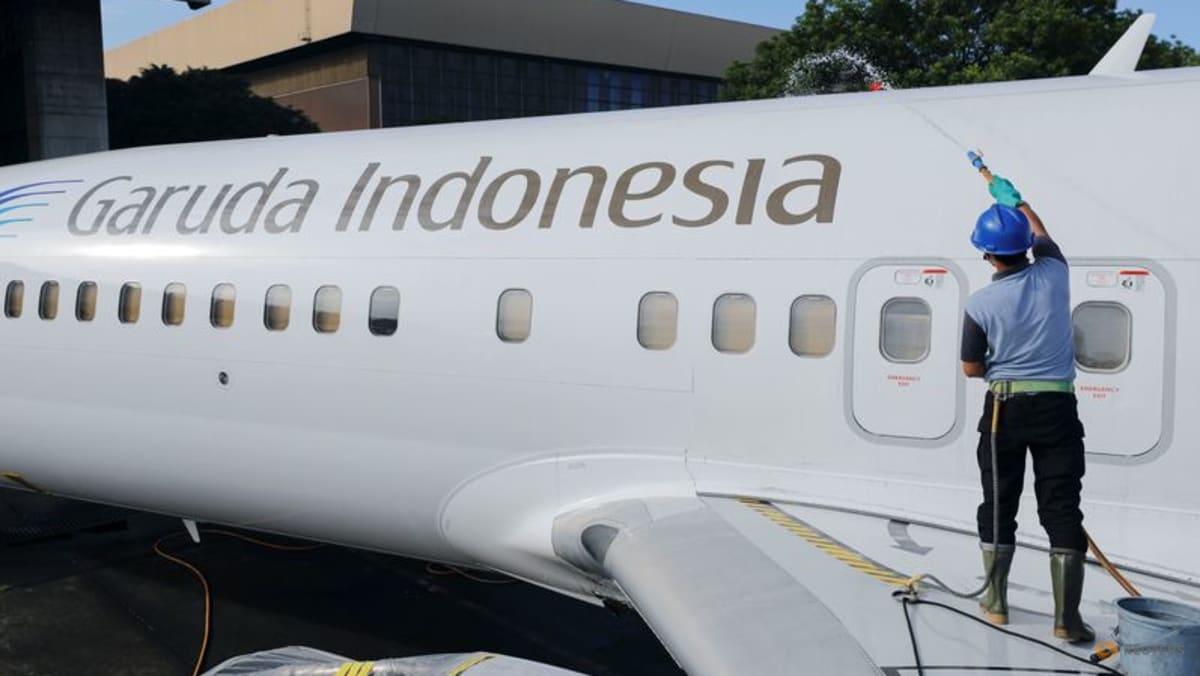
Indonesia's national carrier, Garuda Indonesia, reported a net loss of approximately 5.4 trillion rupiah (US$318 million) in 2025, marking nearly five times the loss it recorded in 2024. The airline's financial difficulties are compounded by the recent downgrading of its Skytrax 5-Star rating to 4-Star, reflecting operational and service quality challenges.
Industry analysts indicate that systemic issues affecting the Indonesian aviation sector are at play, including high fuel prices, fleet limitations due to global supply chain disruptions, and regulatory constraints on domestic ticket pricing. These factors have led to broader financial strain across multiple airlines, not solely Garuda Indonesia.
Operational and Financial Pressures
A significant surge in aircraft undergoing maintenance in 2025 has reduced Garuda Indonesia's operational capacity, increasing costs and diminishing revenue. Global supply chain disruptions, especially in sourcing aerospace-grade titanium from Russia, have further delayed aircraft repairs, exacerbating the airline's financial woes.
The airline's revenue is also under pressure from domestic fare regulations that restrict pricing adjustments amid rising operational costs, including fuel. Analysts warn that continued financial challenges threaten Indonesia’s crucial air connectivity, especially in remote island regions.
Impact of Service Quality and Strategic Dilemmas
Garuda Indonesia’s Skytrax rating downgrade signals operational pressures affecting service quality, with outdated cabin amenities and declining product standards cited as reasons. Although safety remains the airline’s top priority, the focus on cost-cutting has impacted service enhancements. As a state-owned enterprise, Garuda faces a strategic balancing act between profitability and national connectivity.
Industry experts emphasize that addressing the crisis requires long-term policy measures, including government support to diversify revenue streams, improve fuel policies, and bolster less profitable but necessary routes. The airline has shown signs of improvement through subsidiary Citilink’s positive first-quarter results in 2026.
"The problems faced by Garuda Indonesia are indicative of broader systemic issues within Indonesia's aviation industry," said Gatot Raharjo, an aviation analyst.
Ultimately, experts warn that unless structural reforms are implemented, Indonesia’s key air transportation network could face prolonged difficulties, affecting millions relying on air travel across the archipelago.

