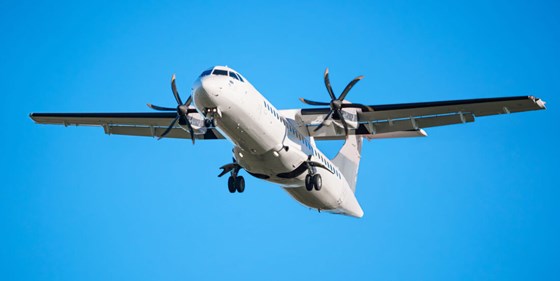
Research institutions and industry partners are advancing a hybrid aircraft engine designed to reduce emissions in regional flights by up to 30 percent. The project, named He-Art, aims to develop and demonstrate this technology by summer 2026, with the goal of commercial availability by 2035. The hybrid system integrates electric motors with traditional combustion engines, similar to successful hybrid vehicles, to achieve significant environmental benefits.
Key technical challenges include developing lightweight components, such as electric propellers and gearboxes, and ensuring the durability and safety of electrical insulation materials operating at high voltages. SINTEF has pioneered testing methods to accurately predict the service life of these insulations at elevated frequencies, a critical factor for electric aircraft systems. These advancements are expected to facilitate reliable, high-performance electric propulsion for aviation applications.
The project is funded by the EU under the HORIZON EUROPE program and involves major aerospace companies like Rolls-Royce and Airbus. A prototype engine is scheduled for testing in France next summer, representing a significant step towards greener, more sustainable regional air travel. By addressing technological and regulatory challenges, the initiative aims to enable cleaner aviation within the next decade.

