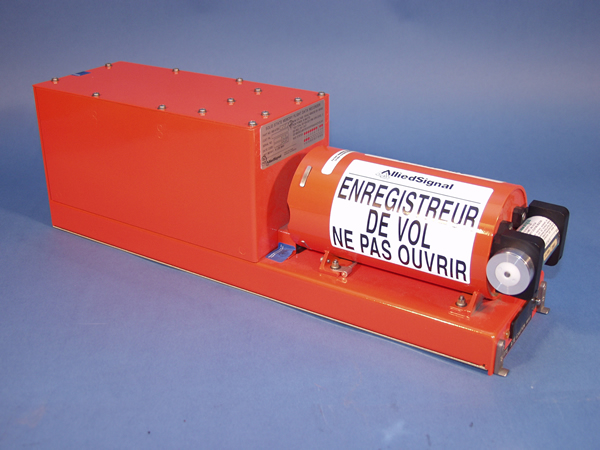
When aircraft collide in mid-air, the resulting debris can stretch for miles, offering crucial clues for investigators. The National Transportation Safety Board (NTSB) specializes in scrutinizing wreckage, flight recorders, and other evidence to determine the cause of such accidents. The investigation begins with a dedicated 'Go Team' dispatched within 24 hours to secure perishable evidence like cockpit data and wreckage.
One of the most valuable sources of information is the debris field itself. Specialists document the location and condition of each fragment, analyzing the pattern to understand the sequence of disintegration and impact angles. Flight data recorders provide thousands of parameters, enabling accurate reconstruction of the aircraft's flight path, while cockpit voice recorders capture audio that can reveal crew actions and sounds indicative of systems' statuses.
Air traffic control data plays a pivotal role, revealing radar tracks and communication exchanges that help chart the aircraft trajectories and timing. Human performance factors are also investigated, considering pilot decision-making, crew training, and organizational influences. The comprehensive analysis ultimately results in a detailed final report, which includes probable cause and safety recommendations.
It is important to note that the NTSB operates as an investigative agency, without regulatory authority. Its credibility is reflected in the high adoption rate of its recommendations, contributing significantly to ongoing improvements in aviation safety.

