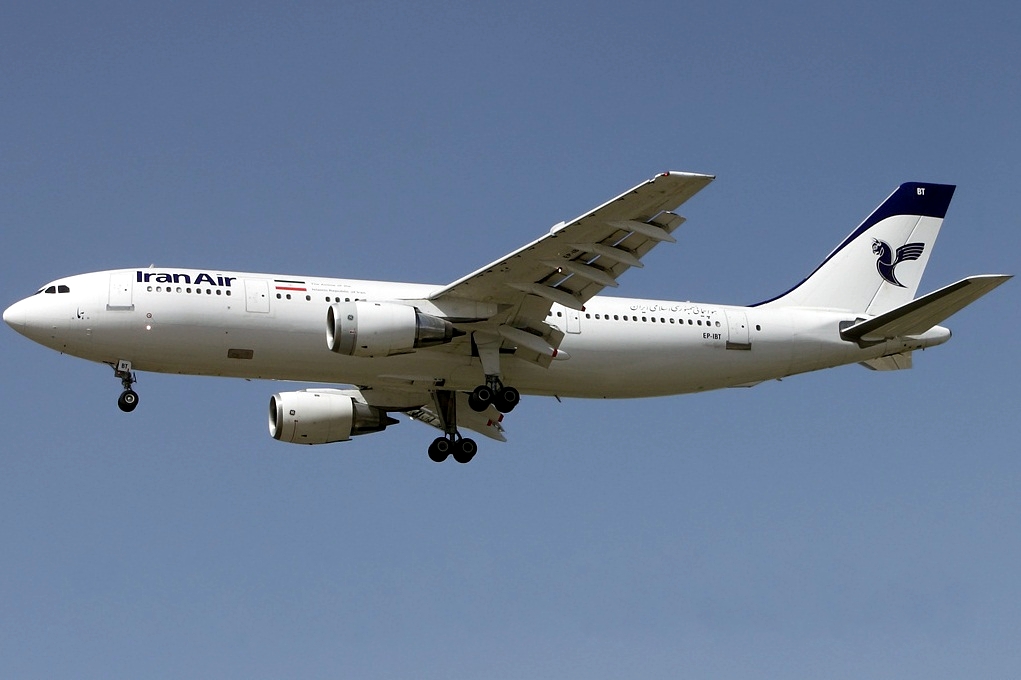
Regional air travel has faced significant disruptions as authorities in Iran and Iraq have imposed sweeping flight bans amidst escalating regional tensions and external sanctions. Iran's Civil Aviation Authority (CAA) has ordered all domestic airlines to cease sale and display of tickets for flights to Iraq, especially targeting the heavily traveled Najaf route, effectively halting regional connectivity. Iranian regulators have mandated full refunds for affected passengers and instructed carriers to reroute domestic flights along Iran's border with Iraq to facilitate land transfers.
Simultaneously, Iraqi authorities have shut down direct flights to Baghdad and Najaf International Airports, extending restrictions to ground operations at Erbil and Sulaimaniyah. The situation worsened when the United Arab Emirates suspended all flights operated by Iranian carriers to and from its airports, impacting flights originating from Tehran and Dubai. These moves are part of broader efforts responding to secondary sanctions threats that target ground handling and refueling services for Iranian airlines.
The ongoing restrictions have caused severe disruptions across the Middle East, with diplomatic talks continuing but little immediate relief in sight. These developments mark a significant downturn in regional air connectivity, driven by geopolitical disputes and international sanctions, impacting both travelers and carriers in Iran and surrounding nations.

