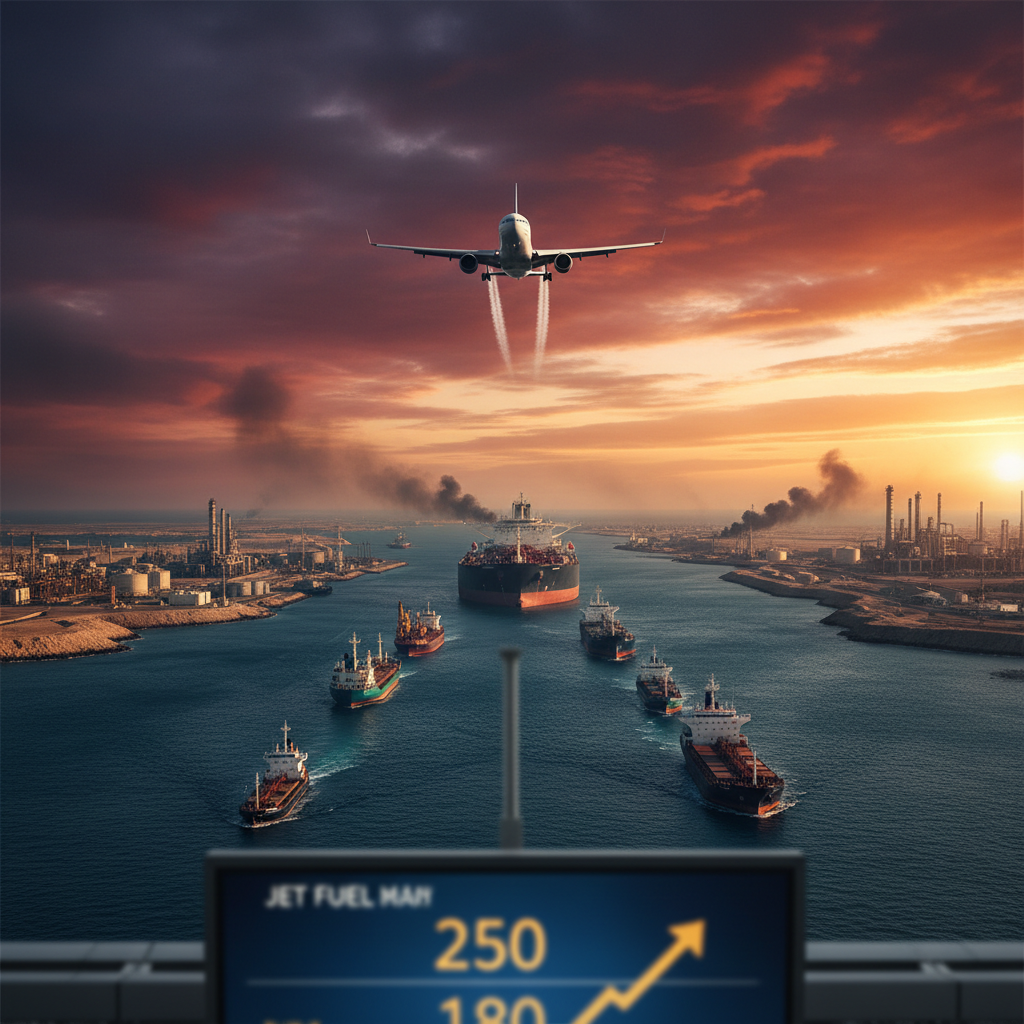
Strategic naval blockades in the Strait of Hormuz have severely restricted oil transit, leading to significant increases in jet fuel prices worldwide. The ongoing conflict in Iran and related tensions have caused market volatility, with crude oil prices fluctuating based on conflicting news about the end of hostilities and the reopening of key maritime routes.
The disruption threatens to affect airline operations for months, even after the Strait potentially reopens. Airlines at various airports may face fuel shortages and increased operating costs due to heightened crude oil prices. Industry experts warn that unless diplomatic solutions are reached, the impact could become prolonged.
Implications for the Aviation Industry
Analysts stress the importance for airlines to diversify fuel sources and strengthen strategic reserves to mitigate future risks. The conflict underscores the vulnerability of global energy and air transport to regional geopolitical conflicts, prompting calls for enhanced contingency planning.
As the situation develops, authorities and industry leaders continue monitoring geopolitical developments, emphasizing that stabilization efforts are crucial for restoring energy supply chains and ensuring sustainable airline operations.

