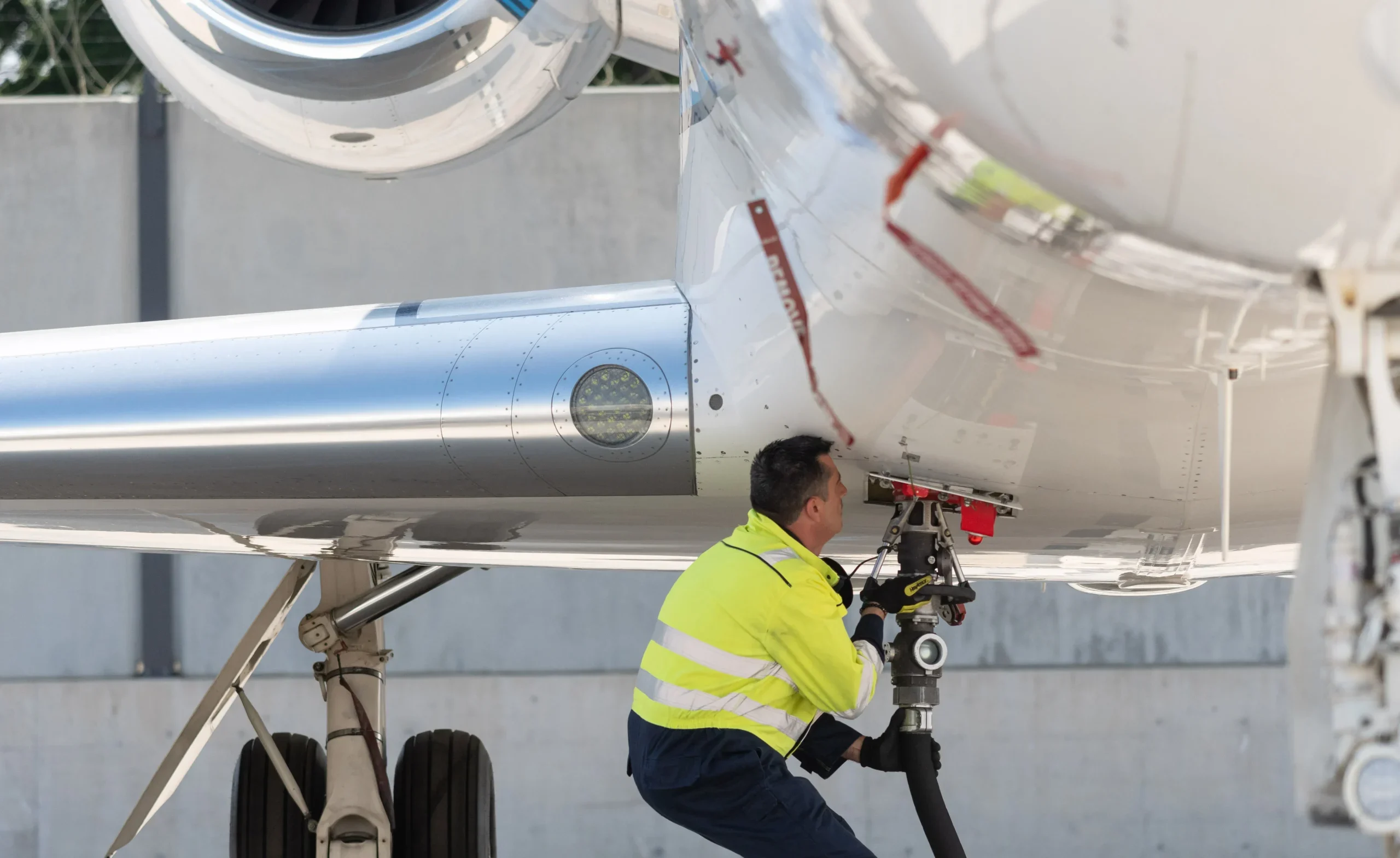
Recent international data indicates that jet fuel prices across Europe have risen sharply, with increases reaching up to 95% over recent months. The escalation in costs is attributed to disruptions in the global energy market, escalated geopolitical tensions, and supply chain constraints, all of which put significant pressure on airlines operating within the region.
European airlines now face the challenge of balancing operational demands with financial sustainability. Many carriers are exploring strategies such as increasing ticket prices, reducing flight frequencies, or restructuring their networks to mitigate the financial impact of rising fuel costs.
Potential Industry Impact
Industry experts warn that continued price rises may lead to decreased passenger demand, negatively affecting tourism and ancillary economic activities. Some airlines have considered imposing additional charges on tickets to offset the escalating fuel expenses, while others are investing in fuel-efficient technologies or transitioning to sustainable energy sources.
"This crisis could fundamentally reshape the European aviation landscape," said industry analysts. "Smaller carriers might be forced to exit the market, while larger entities better able to absorb shocks could emerge stronger."
European governments and industry stakeholders are closely monitoring the situation, contemplating interventions to support the sector during this turbulent period. The ongoing crisis underscores the vulnerability of air travel to energy market fluctuations and geopolitical risks.

