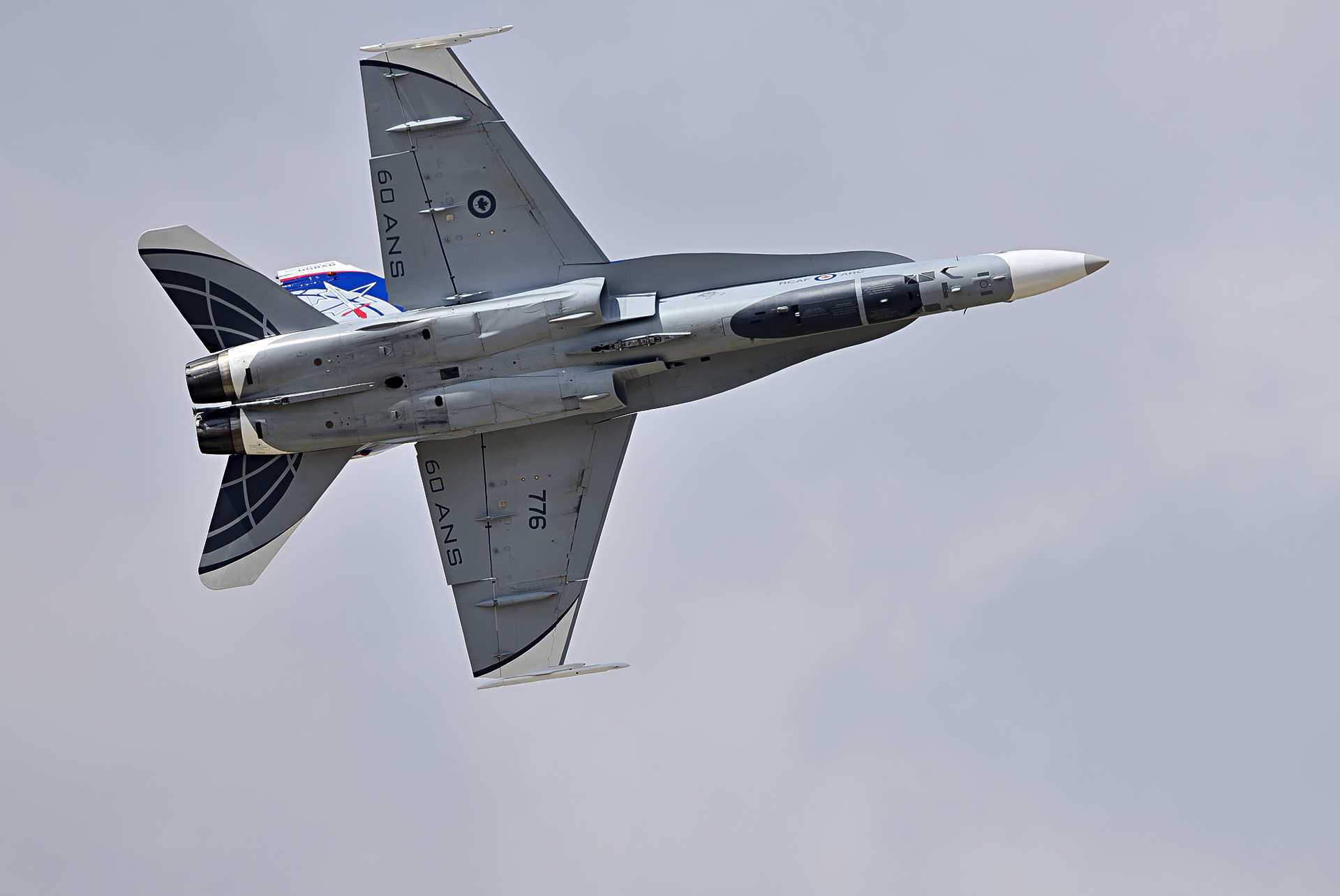
Keith Ferris, a renowned American aviation artist, is credited with developing innovative camouflage schemes used on military aircraft. Among his notable contributions is the creation of disruptive gray patterns designed to break up an aircraft's outline and deceive enemy pilots during dogfights. His work also includes the design of painted false cockpits on aircraft undersides, a tactic based on natural animal mimicry to mislead adversaries during close combat.
Ferris's career, spanning over seven decades, saw him painting murals and creating camouflage for aircraft such as F-14s, F-4s, and the A-10 Thunderbolt II. His artistic expertise and understanding of visual perception in aerial combat led to practical innovations that remain influential. While debates about the effectiveness of these schemes continue, testing has shown they reduce detection ranges and complicate target identification.
Impact and Legacy
Beyond camouflage, Ferris contributed significantly to aviation history through murals and artwork displayed at the Smithsonian and in the US Air Force art collection. He founded the American Society of Aviation Artists and has been recognized as a pioneer in his field, emphasizing the intersection of art and military strategy.
His understanding that the eye is a vital sensor in dogfights has informed decades of military tactics. Despite modern beyond-visual-range combat, close merges still benefit from deceptive markings such as false cockpits, which continue to be a testament to Ferris’s innovative vision.

