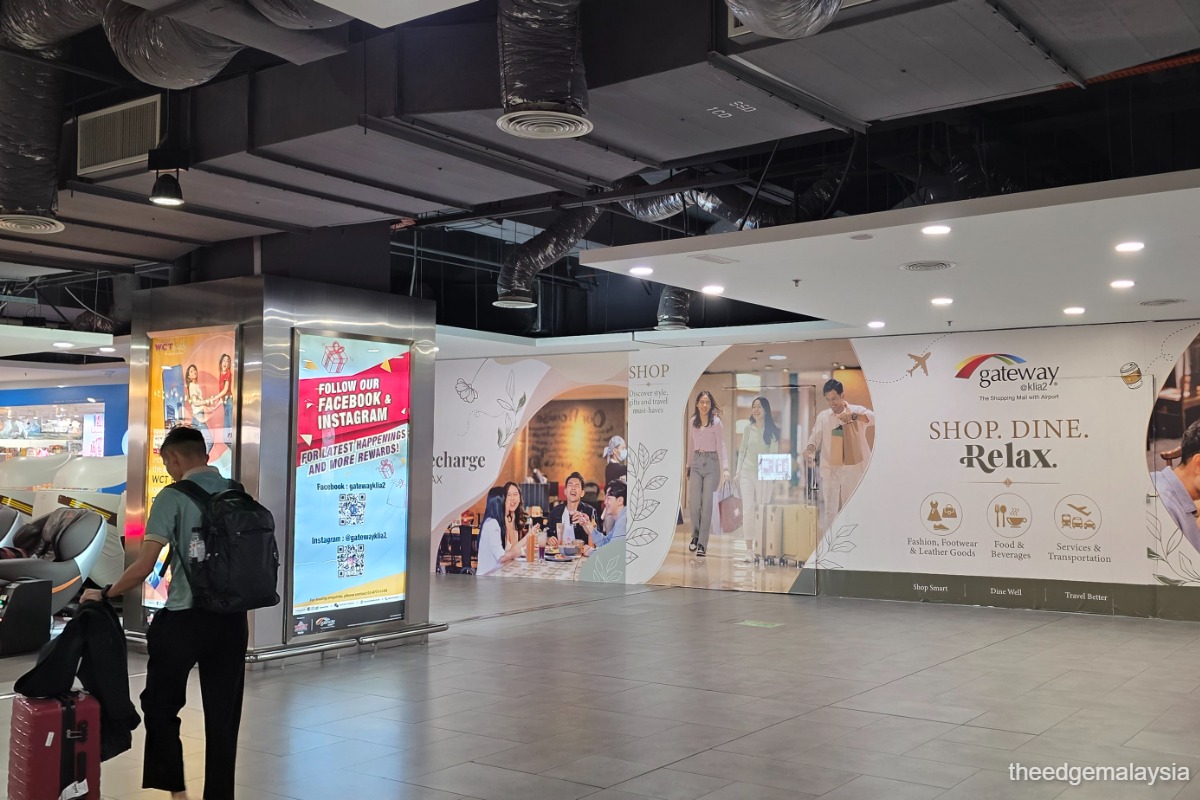
Visitors at Kuala Lumpur International Airport's Terminal 2 (KLIA T2) will observe hoardings and barricades around certain shops, indicative of ongoing reconfiguration and renovation efforts. Despite reduced passenger traffic and capacity adjustments by airlines, Malaysia Airports Holdings Bhd (MAHB) reports that tenant occupancy remains resilient at 93%, with some commercial spaces being repurposed to enhance passenger processing. The change is not driven by a deteriorating retail performance but by strategic space optimization.
The ongoing adjustments come at a time when global jet fuel prices have surged, reaching US$194.90 per barrel in sept 18, up 116.5% compared to the previous year. Airlines operating from KLIA T2 face significant cost pressures, especially as fuel expenses account for a substantial portion of operating costs. Consequently, some carriers such as AirAsia have implemented capacity cuts of up to 30% to mitigate expenses.
Impact of Rising Fuel Costs and Passenger Traffic Decline
Since mid-year, passenger traffic at KLIA T2 has declined by 5%, with total passenger movements across KLIA increasing slightly; however, the recovery trend has been observed since June, indicating gradual improvement. Airlines have adapted to these conditions, with AirAsia reducing capacity in Q3 and aiming to restore levels in Q4 amidst a challenging environment of fluctuating fuel prices and geopolitical tensions.
Despite the subdued passenger volume, MAHB attributed the resilient occupancy rates to strategic space management and shifting retail strategies. The airport operator continues to monitor airline capacity, passenger traffic, and retail performance to adapt to evolving conditions. The situation underscores the challenges faced by airlines operating at KLIA T2 amidst rising fuel costs, with estimates that each US$1 increase in jet fuel price could reduce AirAsia’s earnings by RM75 million.
The airport sector demonstrates resilience through strategic planning and targeted adjustments in response to external economic pressures.

