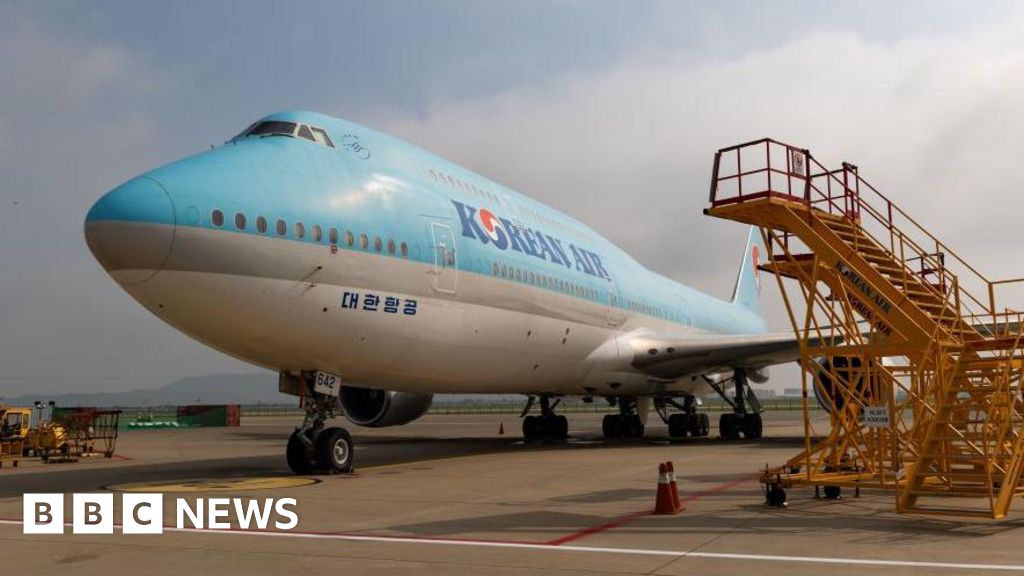
Korean Air has announced the initiation of emergency management measures to combat rising jet fuel costs, as the global economy navigates the ongoing US-Israel war with Iran. The airline's spokesperson stated that internal cost-reduction initiatives are underway to ensure stability amid surging fuel prices, which have increased by over 50% since the conflict began on 28 February, with global jet fuel prices more than doubling. Other Asian carriers, including Asiana Airlines and Busan Air, have also entered emergency management mode.
South Korea remains particularly vulnerable to energy supply disruptions from the Middle East due to heavy reliance on Gulf oil imports. Korean Air's employees were informed of these measures through a memo, with Vice Chairman Woo Ki-hong emphasizing preparations for increased fuel expenses. Meanwhile, Chinese airlines like China Eastern Airlines and Hong Kong's Cathay Pacific have raised fuel surcharges, reflecting the sector’s widespread impact.
Impact on regional airlines
In Japan, All Nippon Airways has not increased fuel surcharges for tickets issued in April and May, citing pre-set prices and measures to pre-secure fuel costs. Similarly, airlines across the region are adjusting routes and fares to adapt to the economic shocks. The Philippines has declared a national energy emergency, and Vietnam faces potential jet fuel shortages as suppliers delay deliveries. Smaller airlines, especially those operating older, less fuel-efficient aircraft, are hitting hardest, with some reducing flights amid the crisis.
Overall, the aviation industry is experiencing a 'double shock' of soaring energy costs and regional fuel shortages, prompting airlines to modify their operations and fare strategies extensively to mitigate financial impact amid ongoing geopolitical tensions.

