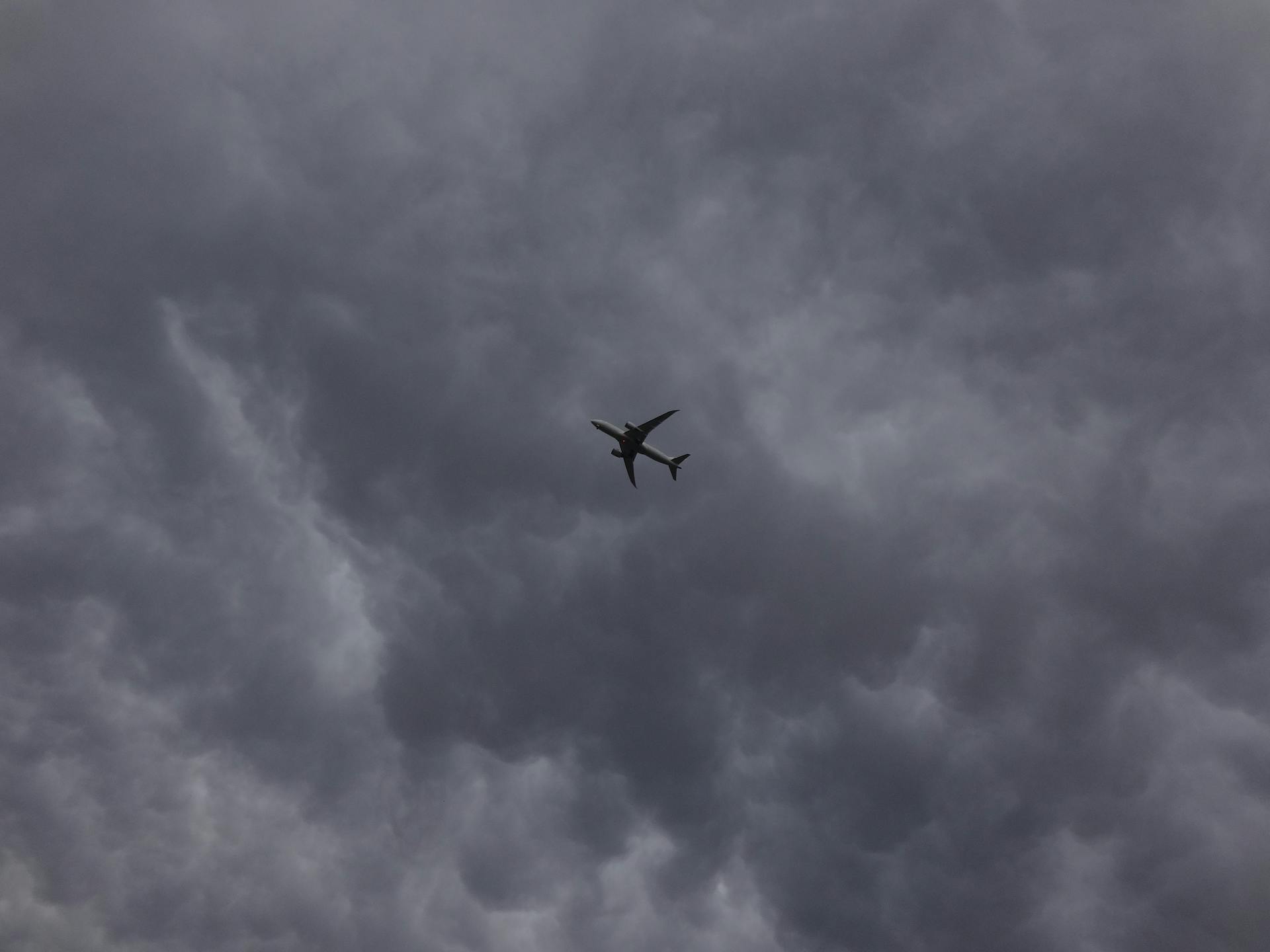
In today's aviation industry, traditional weather data sources such as METARs and TAFs remain fundamental despite rapid technological advancements. These coded reports, coupled with real-time data from Automated Weather Observing Systems and ground radars, provide critical safety information for pilots and dispatchers across the globe. Although new tools like satellites and artificial intelligence are complementing these systems, their widespread adoption is hampered by cost, regulatory, and technical hurdles. Many airports still rely on decades-old infrastructure, which faces aging hardware and coverage limitations, especially in remote regions.
Incidents like the May 2025 crash at San Diego's Montgomery Field underscore the importance of reliable weather data. Failures or outdated sensors can lead to misjudged approaches and risky decisions. As efforts to modernize continue, governments and agencies are investing in replacing radars and expanding sensor networks, but progress is slow and incremental. The next decade will likely see AI assisting meteorological analysis, higher-resolution satellites providing enhanced atmospheric data, and more integrated digital platforms, yet the core reliance on METAR and TAF reports will persist for years due to their proven trustworthiness and regulatory support.

