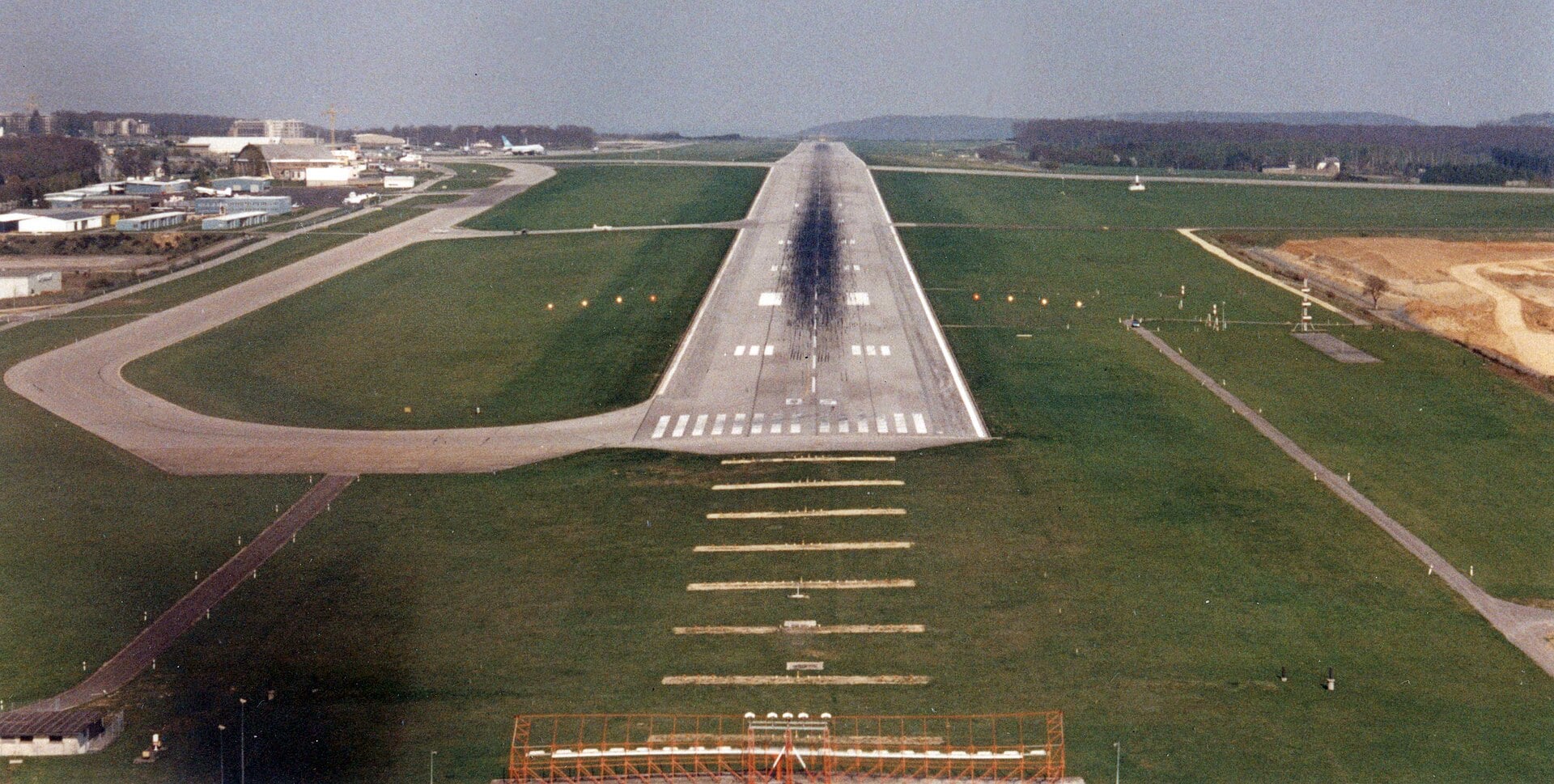
Luxembourg Airport, also known by its ICAO code ELLX, experienced a temporary shutdown after unidentified drones were detected near and over the aerodrome on the night of September 18, 2026. The incident prompted immediate suspension of flight operations, which resumed early the following morning. An inbound flight from London was diverted to Liège due to the closure, and airlines warned of ongoing delays.
Official statements from lux-Airport indicated that multiple unmanned aircraft systems (UAS) had been tracked approaching and crossing the airfield perimeter, though no information has been publicly released about the operators or origin of the drones. This event reflects the growing security concerns across European airports regarding drone incursions, which can pose significant safety risks given their ability to evade traditional detection systems.
Security Challenges
Small drones, often costing a few hundred euros, can disrupt critical airport operations because they lack transponders and cannot be effectively tracked by conventional air traffic control systems. Detection technology such as radar, radio-frequency scanners, and optical trackers can locate these intrusions, but physically removing or mitigating them remains complex and heavily regulated to ensure safety.
The incident at Luxembourg continues a series of such events across Europe in 2026, including drone attacks at Leipzig, Germany, and actions by NATO fighter jets against Russian drones over the Baltic states. While the source and attribution of these drones remain unclear, the shift in response—treating them as potential threats rather than nuisances—indicates heightened vigilance among aviation authorities.
As the situation develops, airports are exploring improved detection and mitigation measures to address this evolving threat. Luxembourg’s operations have returned to normal, but the incident underscores the ongoing risks posed by unmanned aerial systems to aviation security nationwide.

