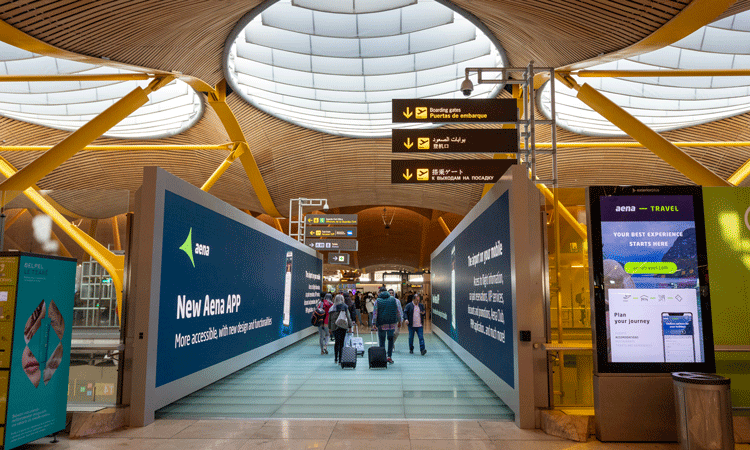
Madrid-Barajas Airport, operated by Aena, has become a showcase for technological advancement in the aviation sector. The airport has integrated numerous digital innovations aimed at improving passenger experience, increasing operational efficiency, and promoting sustainability. In 2024, it served over 66 million travelers, demonstrating its status as a key connectivity hub in Europe.
Among its notable initiatives is the deployment of an AI-powered travel assistant that supports multimodal inputs in multiple languages. This virtual assistant provides real-time flight information, weather updates, baggage guidance, and interactive maps, with nearly four million users and a 99% automation response rate, significantly reducing human intervention. The airport has further introduced frictionless shopping through autonomous stores linked with biometrics, streamlining passenger purchases.
The airport's smart mobility solutions include autonomous wheelchairs for passenger mobility and indoor navigation apps to enhance accessibility. Moreover, Madrid Airport has led in remote operations, managing all 129 boarding bridges from control centers, and employs AI-driven video analytics for aircraft and passenger monitoring, enabling faster and safer processing.
Luis Cañón, the Innovation & Customer Experience Director at Aena, emphasizes that these innovations are part of a forward-looking strategy to position Madrid as a leader in intelligent airport management, aligning with long-term sustainability goals. The airport's ongoing commitment to technological development is shaping the future of air travel, ensuring resilience and excellence amid industry challenges.

