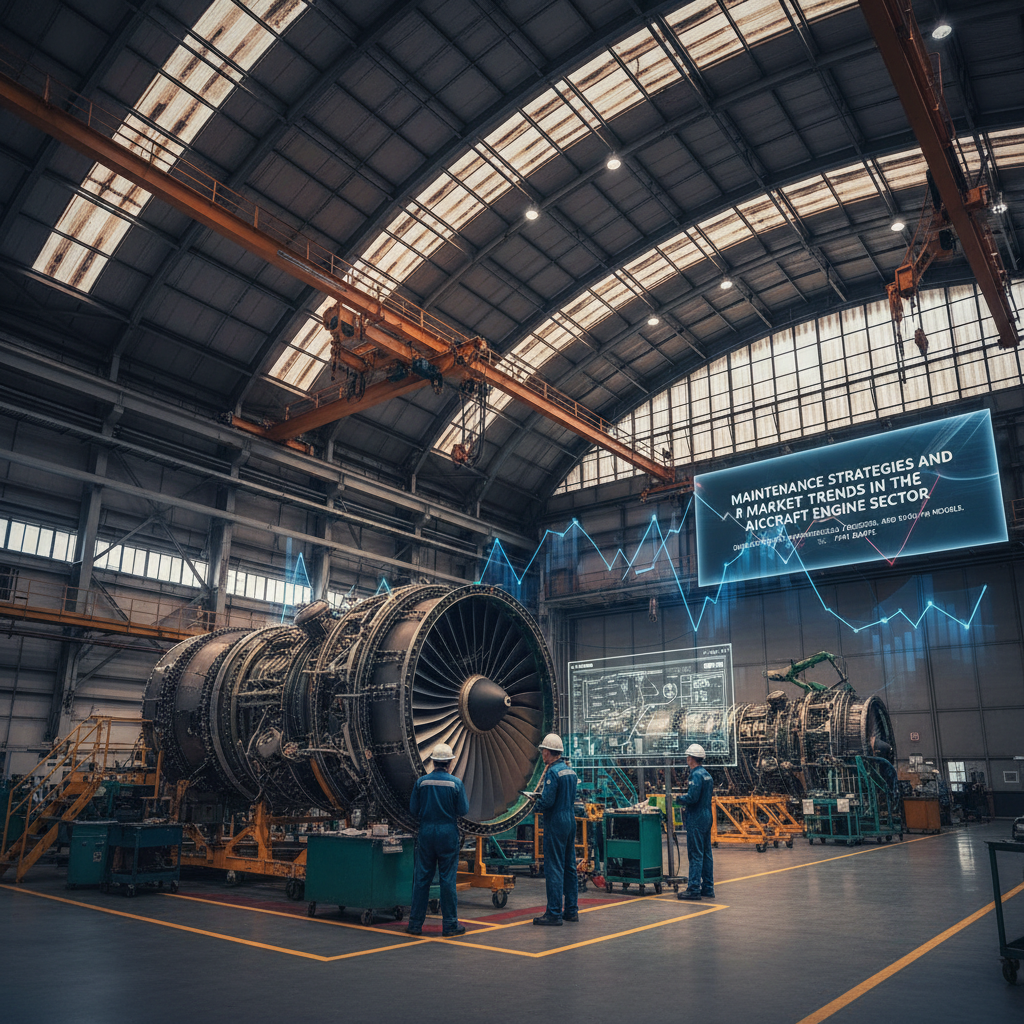
Recent developments in the aircraft engine maintenance market reveal significant shifts in strategy and demand. As engine shop visit turn times extended due to high passenger volumes and supply chain challenges, maintenance companies like FTAI have leveraged their maintenance, repair, and exchange (MRE) models to provide more flexible solutions. The MRE approach allows operators to exchange, sell, or lease airworthy engines, minimizing aircraft downtime without committing to full overhauls.
Amid geopolitical tensions and rising fuel prices, the industry faces new challenges. Some airlines, especially those operating legacy narrowbodies powered by CFM56s and V2500s, are beginning to trim flight schedules, which could impact the demand for spare engines and alter the effectiveness of the MRE model. However, FTAI executives indicate that liquidity and asset flexibility are now critical, making sale-leaseback arrangements and asset sales more attractive options for airlines seeking to optimize their fleets.
Market Evolution and Expansion
Historically viewed skeptically, USM and PMA parts are now integral to airline purchasing strategies due to their cost and availability advantages. FTAI has invested heavily in its European facilities, with plans to expand further, possibly opening new maintenance centers in other regions. Company leadership notes the absence of major facilities east of Rome and is exploring potential locations to support global growth.
This strategic shift underscores the industry's adaptation to current economic and geopolitical challenges, emphasizing liquidity, operational flexibility, and cost-effective maintenance solutions.

