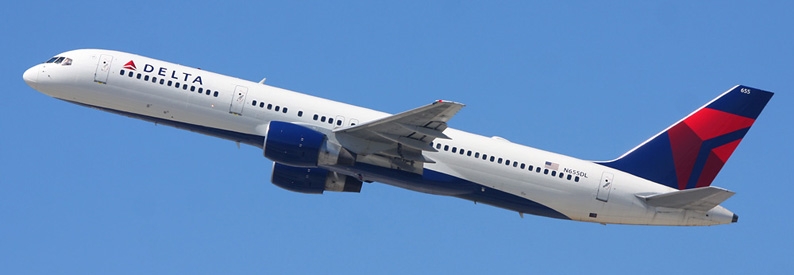
Several significant developments in the airline and aviation sector have been reported recently, reflecting ongoing challenges and strategic decisions. Notably, the airlines Delta Air Lines and Aeroméxico, along with regional airports, are navigating through various operational and regulatory changes. Additionally, discussions on market competition, fleet management, and government interventions highlight the evolving landscape of commercial aviation.
Delta Air Lines is reported to be considering adjustments to its fleet operations, including aircraft models such as Boeing 757-200, which have been central to its domestic and regional routes. Meanwhile, Aeroméxico and other carriers are engaged in legal proceedings related to joint ventures and market competition. Several airlines, including Venezuela's Conviasa, are modifying their fleet configurations, switching from regional jets like the E190 to larger aircraft such as the Airbus A340 for specific routes, including operations to Cuba.
Regulatory and Market Pressures
Government agencies and national authorities across various countries have been active in regulatory decisions, such as the Dutch Council of State's recent ruling against flight caps at Schiphol Airport, impacting airline scheduling and air traffic management. In the financial domain, airlines like Iceland's Norlandair and Canada-based Cargojet are seeking to secure additional funding or extend financing, emphasizing financial stability challenges faced by carriers.
"The ongoing regulatory changes and fluctuating fuel prices are creating an uncertain environment for airlines worldwide," commented industry analyst John Doe.
In addition, major carriers continue to monitor global fuel markets and implement capacity adjustments, such as capacity cuts to counteract rising fuel costs, which affect profitability. The aviation sector's future trajectory remains sensitive to geopolitical, economic, and environmental factors, including new infrastructure developments and international trade policies.
Overall, the current period signifies a phase of adaptation and strategic reshaping for many airlines and associated stakeholders. As regulatory bodies and market conditions evolve, the aviation industry will likely continue to adjust operational strategies to maintain competitiveness and financial viability.

