Major Airlines Cancel Flights in Venezuela Following U.S. Aviation Warning
Major Airlines Cancel Flights in Venezuela Following U.S. Aviation Warning
Trending
|
11 months ago
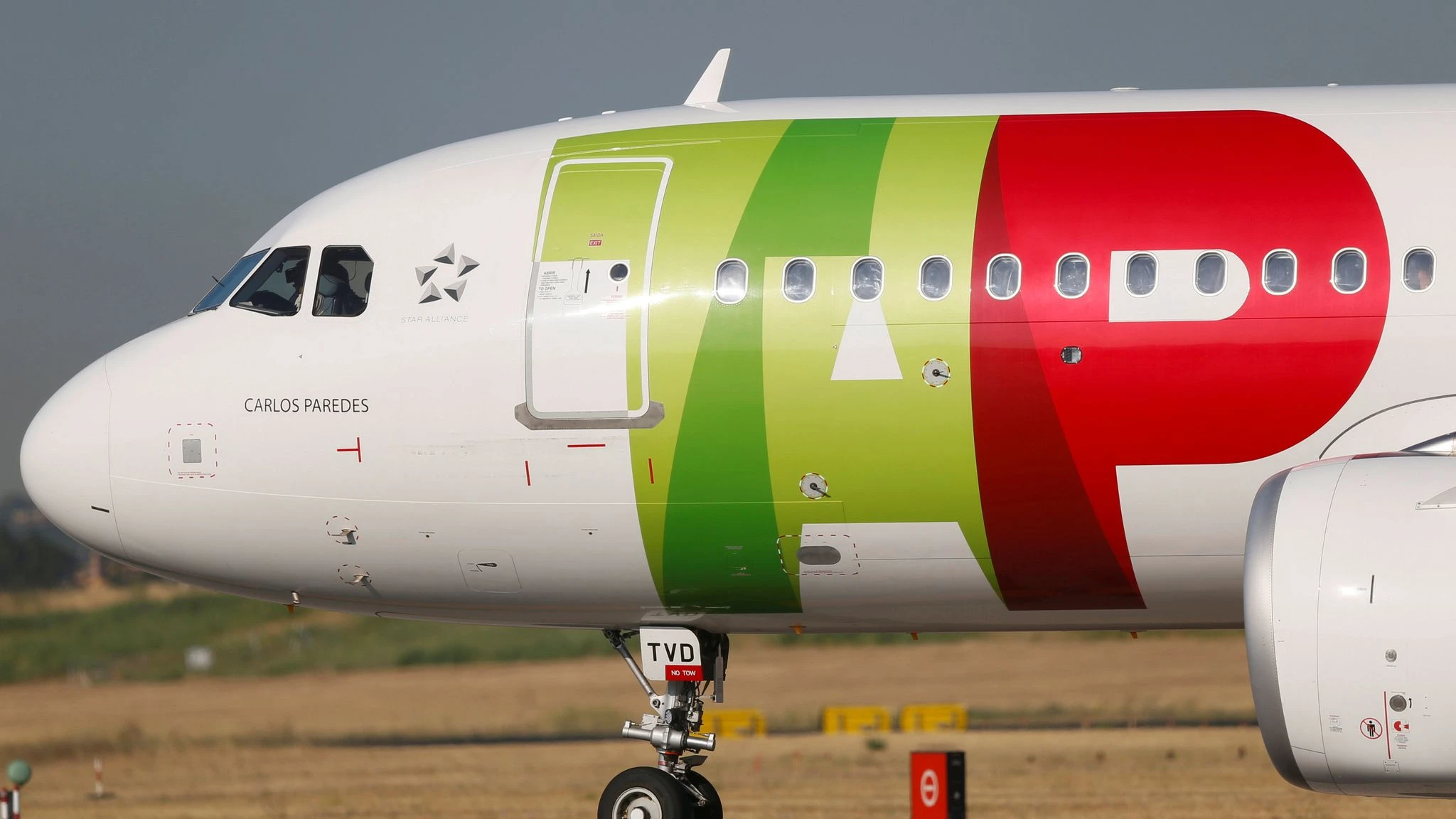
Airlines Halt Operations Following Safety Concerns
Several international airlines have suspended flights to and from Venezuela after a safety advisory warned of potential hazards within the country’s airspace. The decision resulted in immediate cancellations, leaving passengers facing last-minute disruptions and forcing carriers to reassess the safety of routes passing through the region. The sudden halt in operations underscores the unpredictable nature of aviation risk management, especially in areas experiencing heightened military activity or geopolitical instability. Airlines typically rely on real-time intelligence from regulators and defence agencies, and a warning of this scale prompts immediate operational responses. For passengers, the cancellations caused confusion at major hubs in Europe and South America. Many travellers were rerouted through alternative airports, while others faced significant delays as carriers reviewed their flight schedules.
Safety Warnings and Airspace Risks
Aviation authorities highlighted increased uncertainty over Venezuelan airspace, noting risks during takeoff, landing, overflight and even while aircraft remain on the ground. Modern aircraft rely heavily on satellite navigation, radar stability and uninterrupted communication with air-traffic controllers — systems that can be affected by regional tensions or interference. The warning did not specify a single triggering incident but pointed to an overall deterioration in the operational environment. In recent years, several global flight zones have been added to risk lists, reminding carriers that civil aviation can be indirectly impacted by military maneuvers, political escalation or unstable air-defence activity. Airlines must now evaluate the reliability of navigation signals, the risk of unexpected airspace restrictions and the possibility of encountering disputed territorial areas or overlapping military flight paths.
Which Airlines Are Affected and Why
Multiple carriers operating routes into Caracas or using Venezuelan airspace for regional connections suspended operations as a precaution. Major European and South American airlines that regularly serve Venezuelan travellers announced immediate flight cancellations, citing the need to safeguard passengers and crew. Other airlines with limited exposure to the region are conducting internal assessments before deciding whether to implement full suspensions. The decision-making process involves reviewing aircraft insurance coverage, crew safety protocols and regulatory advisories from home nations. Some carriers have opted for partial suspensions, maintaining ground operations but halting overflights. Others adopted a complete pause to avoid uncertainty, particularly those with long-haul aircraft requiring predictable airspace corridors.
Impact on Passengers, Tourism and Trade
The flight cancellations have disrupted travel plans for thousands of passengers. Venezuelans living abroad, business travellers and tourists all faced difficulties securing alternative routes, as flights into the country are already limited compared to regional neighbours. Tourism in Venezuela has struggled in recent years, and reduced connectivity places added strain on the sector. International businesses relying on cargo or personnel movement also face delays, particularly companies operating in energy, logistics or humanitarian sectors. Booking platforms reported increasing demand for alternative itineraries through neighbouring countries, but rerouting often requires additional travel time and higher costs.
Regional Tensions and the Aviation Landscape
The grounding of flights occurs against a backdrop of heightened geopolitical tension in the region. Military build-ups, cross-border disputes and reports of air-navigation interference contribute to a more complex aviation environment. Airspace previously considered stable may quickly be reclassified as high-risk when military aircraft activity increases or radar signatures become unpredictable. Civil aviation authorities must therefore adapt rapidly, issuing advisories that airlines cannot ignore. This evolving landscape highlights a growing trend: aviation safety is no longer driven solely by aircraft performance or weather conditions but also by geopolitical shifts.
Challenges of Rerouting and Operational Planning
Airlines depend on stable air corridors to maintain predictable schedules. When a country’s airspace is deemed hazardous, carriers must reroute flights, often flying longer distances around restricted zones. Such detours can increase fuel consumption, affect crew duty times and reduce aircraft availability for subsequent flights. The cumulative operational impact often leads to widespread schedule adjustments across an airline’s network. Some South American routes routinely intersect Venezuelan airspace, meaning even flights not bound for Caracas may require new routing plans that comply with safety advisories.
Economic and Diplomatic Effects
Reduced international flights place additional economic pressure on Venezuela, limiting its connectivity to major markets and making trade or tourism recovery more difficult. For airlines, suspensions represent financial losses from cancelled flights, refund obligations and operational reallocations. Diplomatically, the cancellations may widen the existing gap between Venezuela and several Western governments. Aviation interruptions often reflect broader political tensions, and airspace warnings typically follow long-term monitoring of military activity or regional behaviour. Governments may attempt to negotiate airspace guarantees or seek assurances from defence authorities before encouraging airlines to resume operations.
What Comes Next for Travellers and Airlines
The situation remains dynamic, and airlines will continue monitoring updates from aviation regulators and intelligence sources. Most carriers will wait for improved clarity or a formal revision of safety warnings before restoring flights. Travellers are advised to check flight status frequently, maintain flexible travel plans and follow airline guidance regarding rebooking or refunds. Until the airspace conditions stabilize, Venezuela’s international connectivity will remain limited, and airlines will continue prioritizing safety over schedule commitments.

Airspace Times Team
Aviation news desk
Published: 23 Nov 2025
Share to:
Latest news
Related airlines
powered by We Do Dev Work 
We use cookies and similar technologies to enhance your Browse experience, personalize content and ads, provide social media features, and analyze our traffic. By clicking 'Accept All' or continuing to use our website, you consent to the use of cookies as described in our Cookie Policy