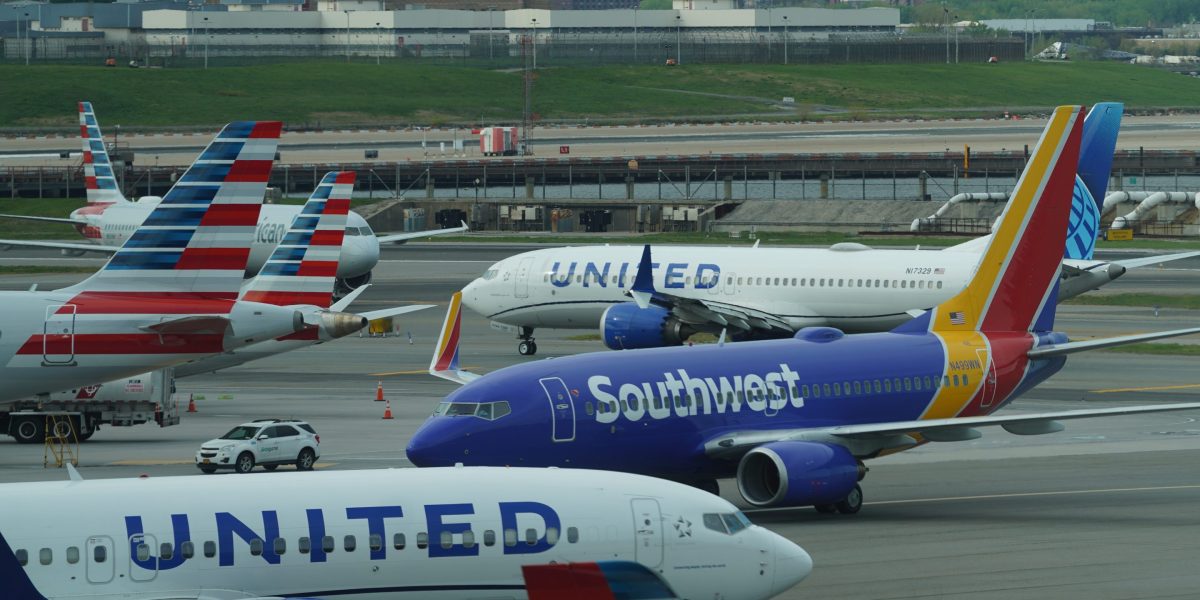
Major US airlines, including American Airlines, United Airlines, and Southwest Airlines, are actively reevaluating their route networks amidst a surge in jet fuel prices that have reached near record highs. The escalating costs, now at approximately $4.71 per gallon, have prompted these carriers to consider cutting less profitable routes to mitigate mounting expenses.
At a recent Morgan Stanley conference, airline executives explained that the significant rise in fuel costs—more than double what it was a year ago—has added billions to their expenditures. American Airlines' CFO Devon May disclosed that the fuel spike has increased projected Q4 costs by around $1 billion, leading to flight reductions scheduled for December and a cautious approach to growth in the upcoming year.
Similarly, Southwest's CFO Tom Doxey stated the airline has halved its initial capacity increase forecast, citing higher fuel prices as the primary reason. United CFO Mike Leskinen emphasized that less profitable routes, often on the margin, are being cut as maintaining such flights no longer aligns with financial prudence. He further noted that nearly 35% of United's Q4 tickets are already booked, suggesting potential fare hikes to offset these costs.
The broader context includes the ongoing conflict in Iran, which has constrained global oil supplies and driven up oil and jet fuel prices across Europe as well. Airlines like Ryanair have adjusted their traffic outlook and warned of further cost increases that could impact European travelers. In the US, fares in August were 23.4% higher than a year earlier, reflecting the industry’s response to rising fuel expenses.
Overall, these developments illustrate how sustainability of flight networks is under threat from inflation, which could result in fewer routes, higher ticket prices, and limited options for travelers in the near future.

