Malaysia Develops Infrastructure and Policies for Sustainable Aviation Fuel
Malaysia is actively advancing its efforts in sustainable aviation fuel (SAF) production and policy development as part of its National Energy Transition Roadmap. The government aims to implement a blending mandate starting at 1%, with plans to increase to 47% by 2050, aligning with global trends towards decarbonising aviation.
In parallel, the European Union has initiated the ReFuelEU Aviation Regulation, which mandates a progressive increase in SAF blending from 2% in 2025 to 70% in 2050. Singapore has also set a SAF mandate of 1% for departing flights, to be increased to 3-5% by 2030, alongside a new levy on flight tickets starting from October.
Produced mainly from waste or residue feedstocks such as used cooking oil, SAF presents a lower-emission alternative to conventional jet fuel but remains significantly more expensive. The recent hike in traditional jet fuel prices, which reached US$197 per barrel, underscores the economic challenges faced by the industry.
Local Production and Future Capacity
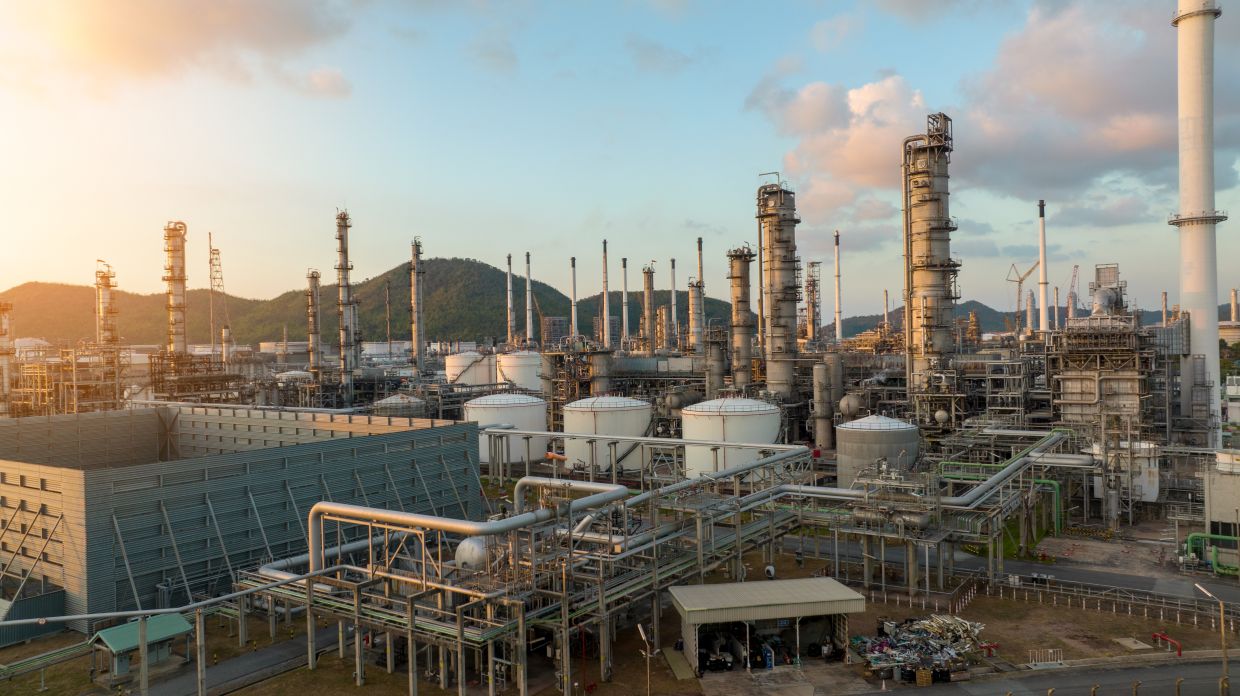
Malaysia has commenced commercial SAF production through EcoCeres’ 350,000-tonne facility in Pasir Gudang, Johor, targeting European markets. A larger 650,000-tonne biorefinery, developed by PETRONAS, Enilive, and Euglena in Pengerang, Johor, is projected to be operational by 2028.
Strategic Initiatives and Feedstock Management
FatHopes Energy, a key player, is collaborating with Bin Zayed Group to build a SAF refinery at Port Klang. This venture aims to create Malaysia’s first closed-loop circular SAF economy in Selangor, utilizing local waste streams to produce fuel for regional aviation.
"Feedstock availability is critical for scaling SAF. Our proprietary traceability system ensures a consistent and sustainable supply chain,"said Vinesh Sinha, CEO of FatHopes Energy. Diversification of feedstocks beyond used cooking oil, including palm oil effluent and algae oil, aims to further secure supply and sustainability.
To maximize Malaysia’s SAF potential, strategies include access to affordable financing, government purchase guarantees at international prices, and prioritizing local feedstocks for domestic refineries. These policies are intended to foster a competitive, sustainable aviation industry.
Industry Collaboration and Challenges
Since 2021, the Malaysia Airlines Group has operated 20 SAF-powered flights, with ongoing collaborations to expand usage. However, high costs, policy gaps, and inconsistent certification standards remain key hurdles. Industry experts advocate for a coordinated national policy to ensure supply chain stability and market viability.
As upcoming facilities like PETRONAS’ refinery come online, airlines will be positioned to incorporate SAF more extensively. Although the transition entails significant costs, these efforts are vital for Malaysia’s environmental and energy goals.

