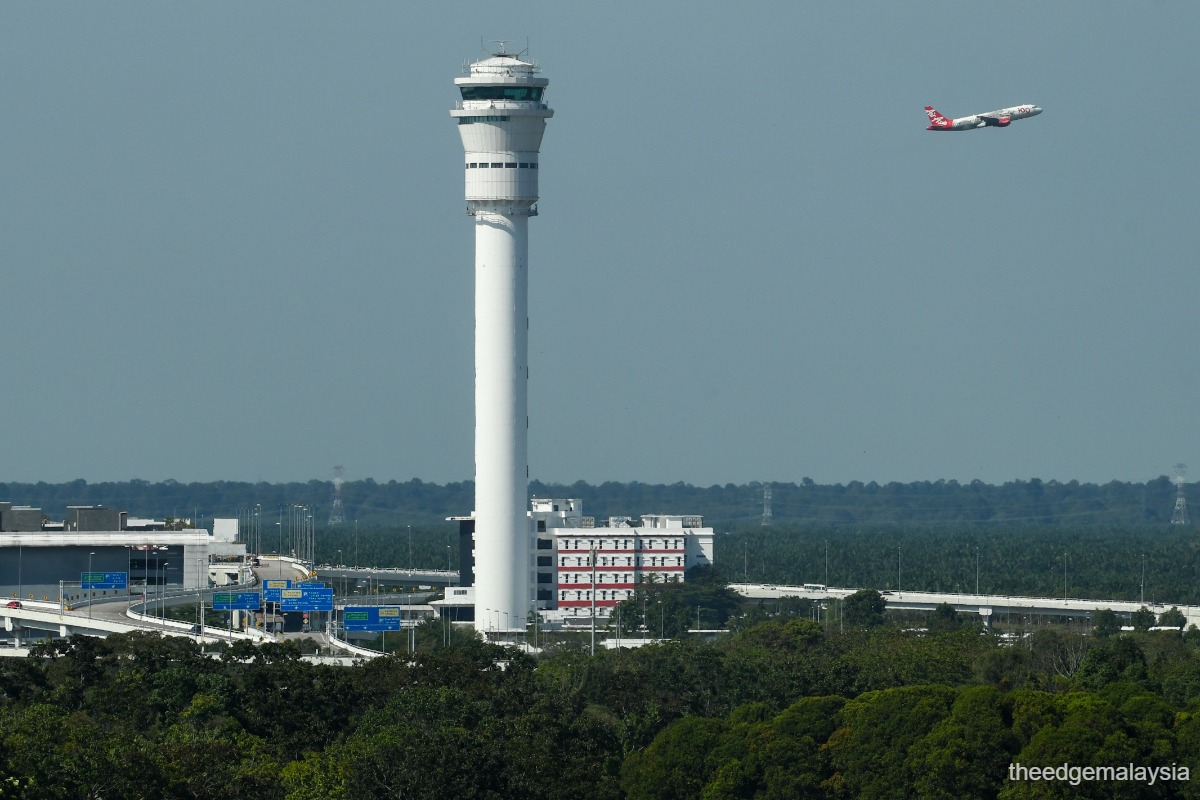
Malaysia continues to demonstrate resilience in managing its regional airspace traffic, according to the Civil Aviation Authority of Malaysia (CAAM). Despite global operational challenges, the country has maintained its role as a vital aviation hub in Southeast Asia, supporting high traffic volumes through its Kuala Lumpur and Kota Kinabalu Flight Information Regions (KL FIR and KK FIR).
Regional data affirm that Kuala Lumpur International Airport (KLIA) remains among the busiest in Southeast Asia, with key corridors such as Kuala Lumpur-Singapore, Jakarta-Kuala Lumpur, and Kota Kinabalu-Kuala Lumpur experiencing high flight frequencies. The CAAM stated that ongoing improvements in airspace design and traffic management—including the implementation of performance-based navigation procedures—have enhanced safety and efficiency while accommodating growing traffic flows.
Enhancements and Strategic Significance
The adoption of advanced air traffic management concepts, such as system-wide information management and collaborative decision-making, has further optimized operations. These measures facilitate precise routing, reduce congestion, and diminish fuel consumption, reinforcing Malaysia’s strategic role in regional connectivity.
"These improvements ensure Malaysia continues to serve as a central node for one of Southeast Asia’s busiest networks, supporting cross-border traffic flows across Sabah and Sarawak," said CAAM. The agency emphasized the importance of such operations for maintaining seamless regional connectivity amid increased operational complexity.
Overall, Malaysia’s focus on airspace efficiency, safety standards, and collaborative management positions it as a key aviation hub in Southeast Asia, vital for supporting the dynamic and expanding regional air traffic network.

