Malaysia’s aviation sector experienced significant growth in 2025, demonstrating resilience through infrastructure upgrades, fleet expansion, and strategic reforms. The industry saw increased passenger traffic, new international routes, and major regulatory changes, including the privatization of Malaysia Airports Holdings Bhd (MAHB). Despite challenges such as airspace closures, technical disruptions, and cyberattacks, the sector remained dynamic and forward-looking.
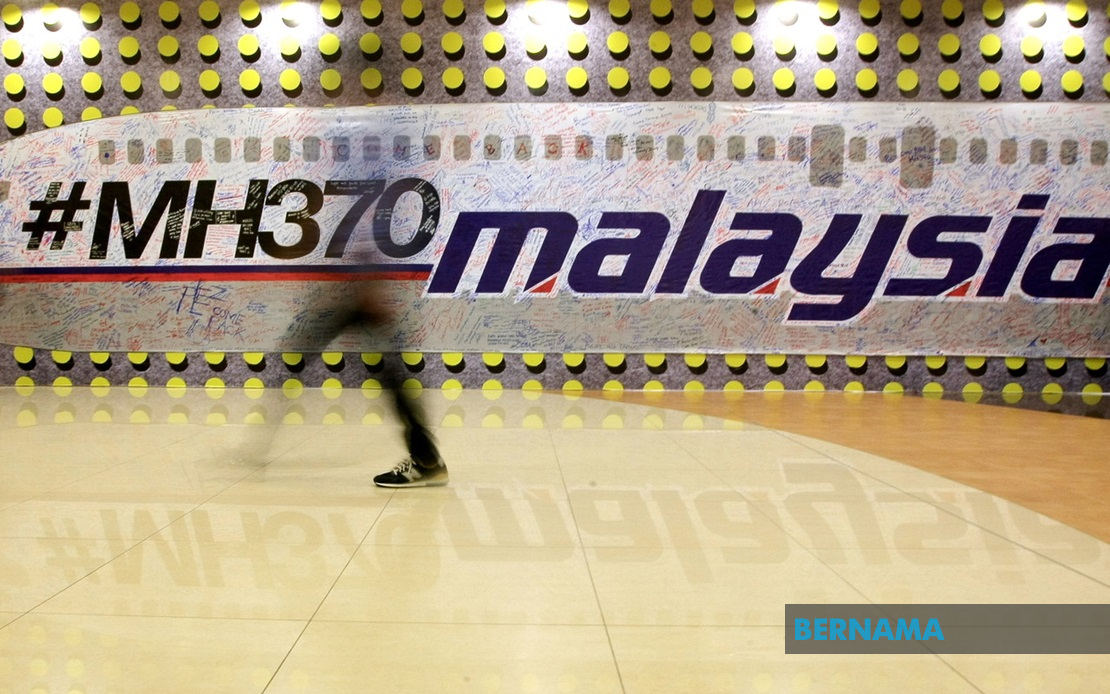
Notably, the search for Malaysia Airlines flight MH370 is scheduled to resume on December 30, 2025, raising hopes of resolving the enigmatic disappearance of the Boeing 777. Malaysia also reaffirmed its international standing with re-election to the ICAO Council and high airport rankings worldwide. The country’s passport was ranked third most powerful globally, facilitating easier global mobility for its citizens.
Network and Fleet Expansion
Major airlines like Malaysia Airlines and AirAsia expanded their networks, including new routes to Europe, China, and regional destinations. Malaysia Airlines ordered additional A330neo and Boeing 737 MAX aircraft, and launched operations to Chengdu starting January 2026. Regional carriers such as Firefly and Batik Air increased their route offerings, supporting domestic and regional connectivity.
Infrastructure and Cybersecurity
Advancements at KLIA included a RM456 million upgrade of the aerotrain system and enhancements at T1 terminal. The government and MAHB took measures against a cyberattack, fortifying digital defenses. Despite some disruptions, efforts were ongoing to improve resilience and passenger experience.
Looking ahead, Malaysia aims to attract 35.6 million tourists in 2026, leveraging new bilateral agreements and continued investments. The sector’s outlook remains optimistic, with strategic initiatives designed to position Malaysia as a premier aviation hub in the Asia-Pacific region.

