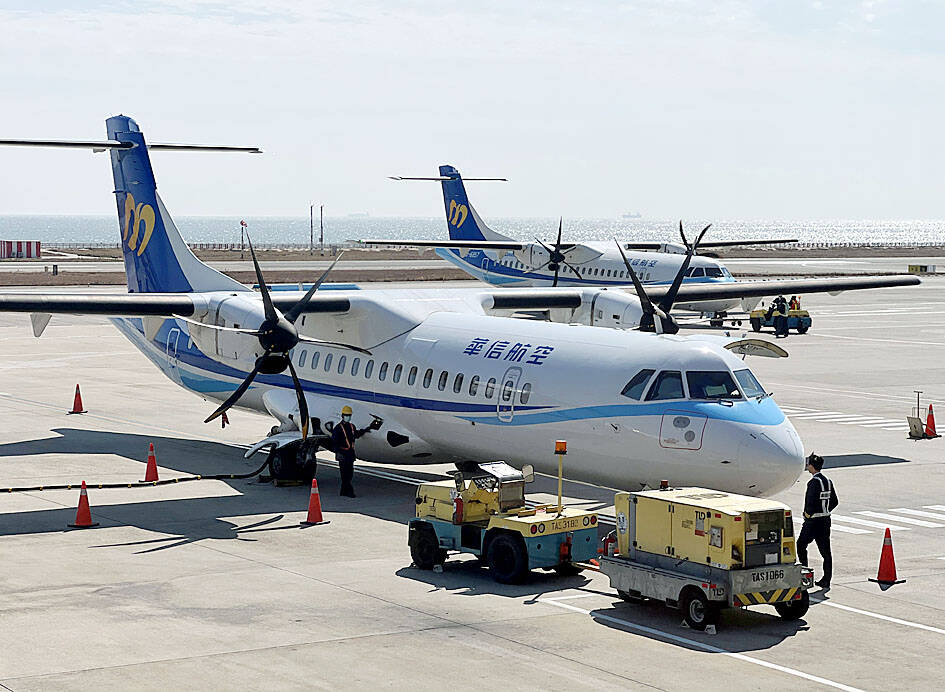
Mandarin Airlines, Taiwan's domestic carrier, announced that it has no plans to further reduce its flight capacity, despite ongoing low passenger demand on certain routes. The airline recently adjusted its Kaohsiung-Hualien service from seven to five weekly flights, and the chairman, Chen Ta-chun, indicated that a Taipei-Kaohsiung route could be reintroduced if market demand increases. The airline is also considering charter flights on the Taipei-Kaohsiung route during peak seasons, with plans for notifying passengers early in case of cancellations.
Transportation authorities have highlighted that Taiwan’s extensive rail network makes rail travel a more attractive option within the region. Chen Shih-kai emphasized that the high passenger capacity of Taiwan Railway's EMU3000 trains, which can carry about 538 passengers, reduces the need for short-haul flights. This shift has had a noticeable impact on demand for routes such as Taipei-Kaohsiung and Taipei-Taichung, similar to the trend in western Taiwan following the high-speed rail introduction.
Impact of Rail Infrastructure on Air Travel
The airline and government remain open to resuming routes during busy travel periods if profitability is confirmed. Chen Ta-chun explained that, although losses persist, cost control measures have helped stabilize operations, and routes will be reactivated if they are commercially feasible. The ongoing adaptation reflects Taiwan's evolving transportation environment and the need for airlines to align their networks with passenger preferences and infrastructural developments.
Overall, Mandarin Airlines continues to adjust its flight operations to balance demand, costs, and the competitive pressure from Taiwan’s extensive rail system. The airline’s strategic flexibility aims to maintain service continuity while exploring opportunities to restart or expand routes in response to market conditions.

