Recent geopolitical tensions in the Middle East are significantly affecting global aviation routes and strategies. During the Aviation Festival Asia in Singapore, airline industry leaders discussed the impact of these conflicts, which are causing rerouting of flight paths and reshaping demand patterns. The conflict has resulted in a bifurcation of routes, with approximately half of airline services shut down and the rest operating near normal. This has prompted airlines to reconsider traditional geography and reroute traffic eastward, especially affecting routes over the Gulf region.
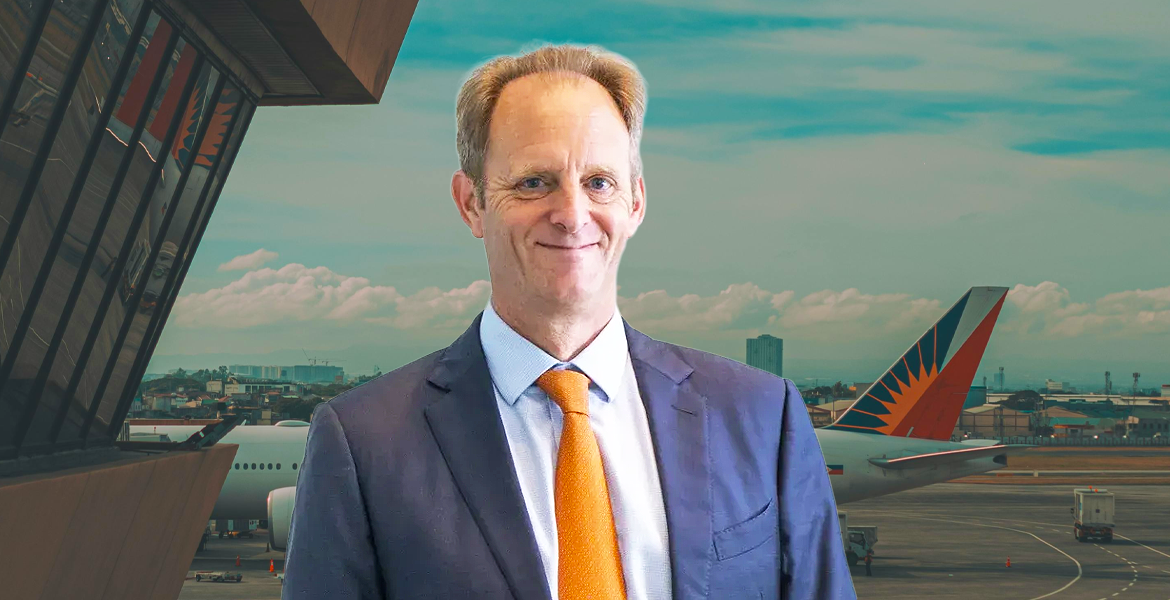
Philippine Airlines CEO Richard Nuttall emphasized that while the crisis has immediate impacts, it also signals broader challenges for the industry. Rising fuel costs—estimated to require fare increases of up to 30%—are a key concern, influencing pricing and market elasticity. Airlines are balancing higher operating costs with the need for strategic consistency, focusing on long-term vision rather than frequent strategy overhauls. Philippine Airlines, for instance, remains committed to strengthening its core markets in North America and domestically, despite the turbulence.
Technological innovation is playing a crucial role as a buffer during this upheaval. The airline’s ongoing modernization efforts, such as fleet upgrades that improve fuel efficiency by 25-30%, allow for greater operational flexibility. Nuttall highlighted that agility enabled by advanced network planning and fleet management helps airlines adapt quickly to ongoing disruptions. He stressed that the industry must also rethink supply chains and hub dominance, emphasizing resilience and the importance of a flexible, adaptable infrastructure for future stability.
In conclusion, while current geopolitical conflicts pose immediate challenges, industry leaders believe that strategic consistency, technological adaptation, and supply chain reinvention are vital to navigating future uncertainties and maintaining resilience in global aviation.

