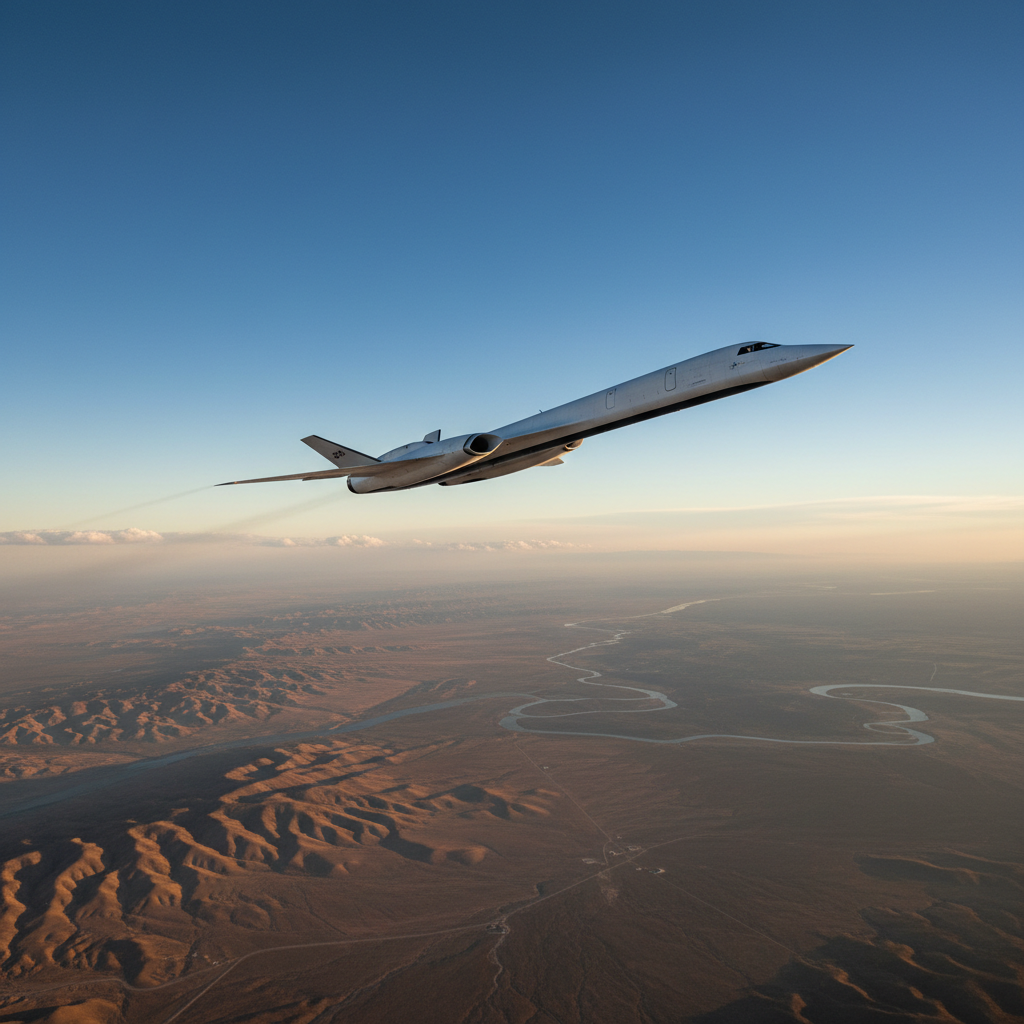
NASA is accelerating its flight testing of the X-59, a demonstrator aircraft specifically engineered to produce a quieter sonic boom. The program aims to achieve key milestones toward enabling supersonic flights over land, a capability currently limited by noise regulations. The aircraft, built by Lockheed Martin Skunk Works, has accumulated approximately 19.6 hours in flight, with test data focusing on performance and noise signatures.
Based in Colorado Springs, the X-59 is part of NASA's broader effort to develop environmentally and community-friendly supersonic aircraft. The program's success could lead to regulatory changes allowing supersonic travel over populated areas, drastically reducing cross-continental flight times. Experts and industry stakeholders are closely monitoring the project’s progress, hopeful about its potential breakthrough for commercial aviation.
Significance and Future Outlook
The ongoing flight tests are critical for verifying the aircraft’s ability to meet noise and performance standards necessary for certification. Achieving the Mach 1 milestone will demonstrate the aircraft's capacity to reach supersonic speeds reliably. If successful, this could herald a new era of quicker and quieter high-speed air travel, transforming the landscape of international transportation.

