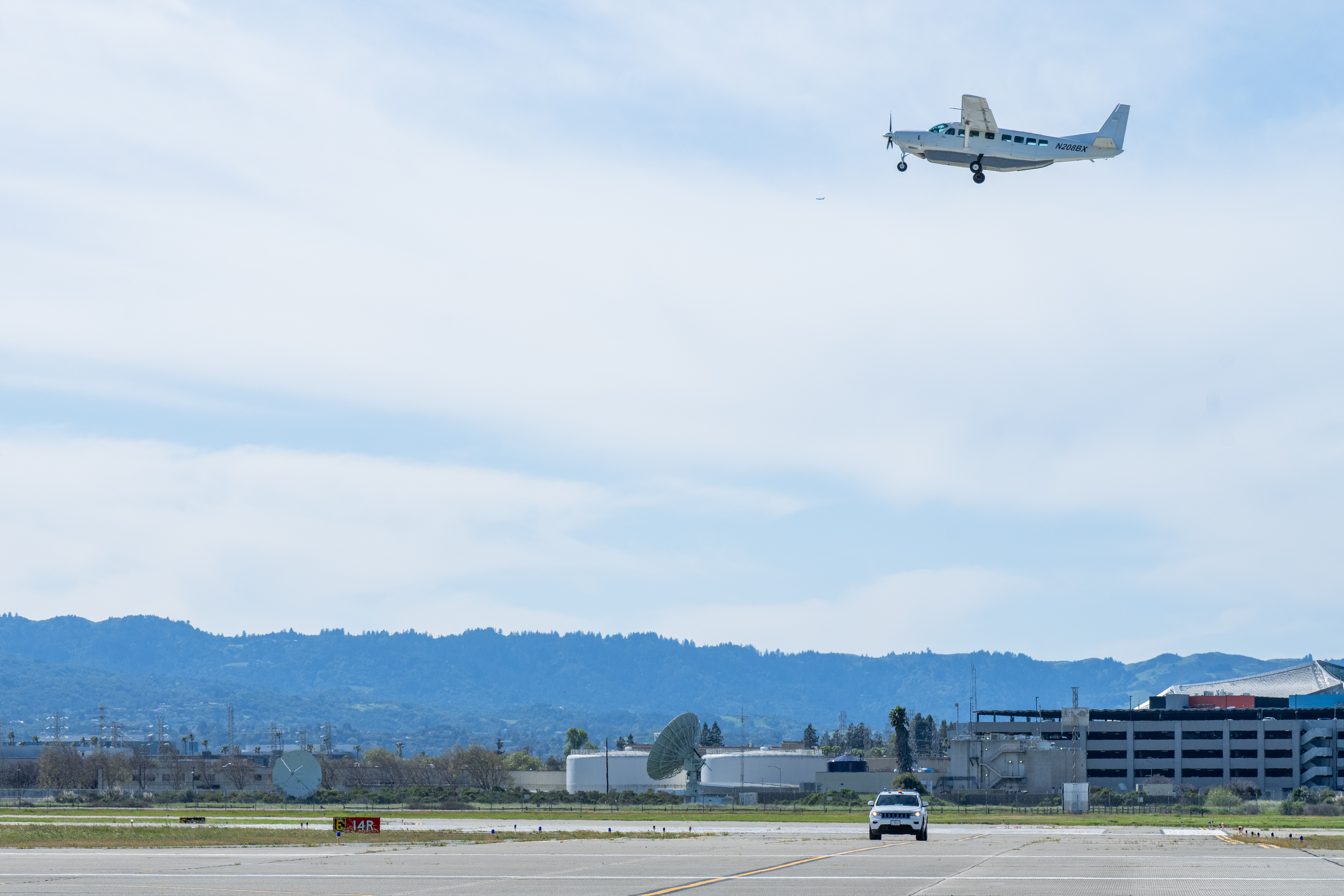
NASA researchers at the Ames Research Center in California have been working on innovative technologies to improve the safety and efficiency of commercial airline systems. Recent tests showcased autonomous systems capable of identifying runway incursions, such as vehicles or obstacles, to enhance safety during flight operations. The work involves digital taxi systems providing guidance directly on cockpit displays, reducing pilot workload and verbal miscommunications.
The tests, conducted in collaboration with Boeing, demonstrated improved situational awareness, with sensors successfully flagging potential hazards like vehicles on runways, which could otherwise cause collisions. These advancements aim to streamline airport ground operations and support safer, more efficient landings and takeoffs in increasingly complex environments.
Enhancing Airport Safety and Traffic Management
Further, NASA is developing digital rerouting tools that allow airline dispatchers and air traffic controllers to share flight data in real-time, enabling dynamic route adjustments that could reduce delays and fuel consumption. These systems have been transferred to the Federal Aviation Administration (FAA) for continued testing and integration into the national airspace, promising a future of safer, more reliable air travel.
NASA’s ongoing efforts include automating traffic management processes and implementing data-driven software to optimize departure and arrival flows, reducing holding patterns. The research is part of NASA’s broader mission to modernize the airspace, ensuring it can handle a higher volume of flights while maintaining safety and efficiency. As a result, airlines and passengers could benefit from fewer delays, improved safety measures, and smarter air traffic management in the years ahead.

