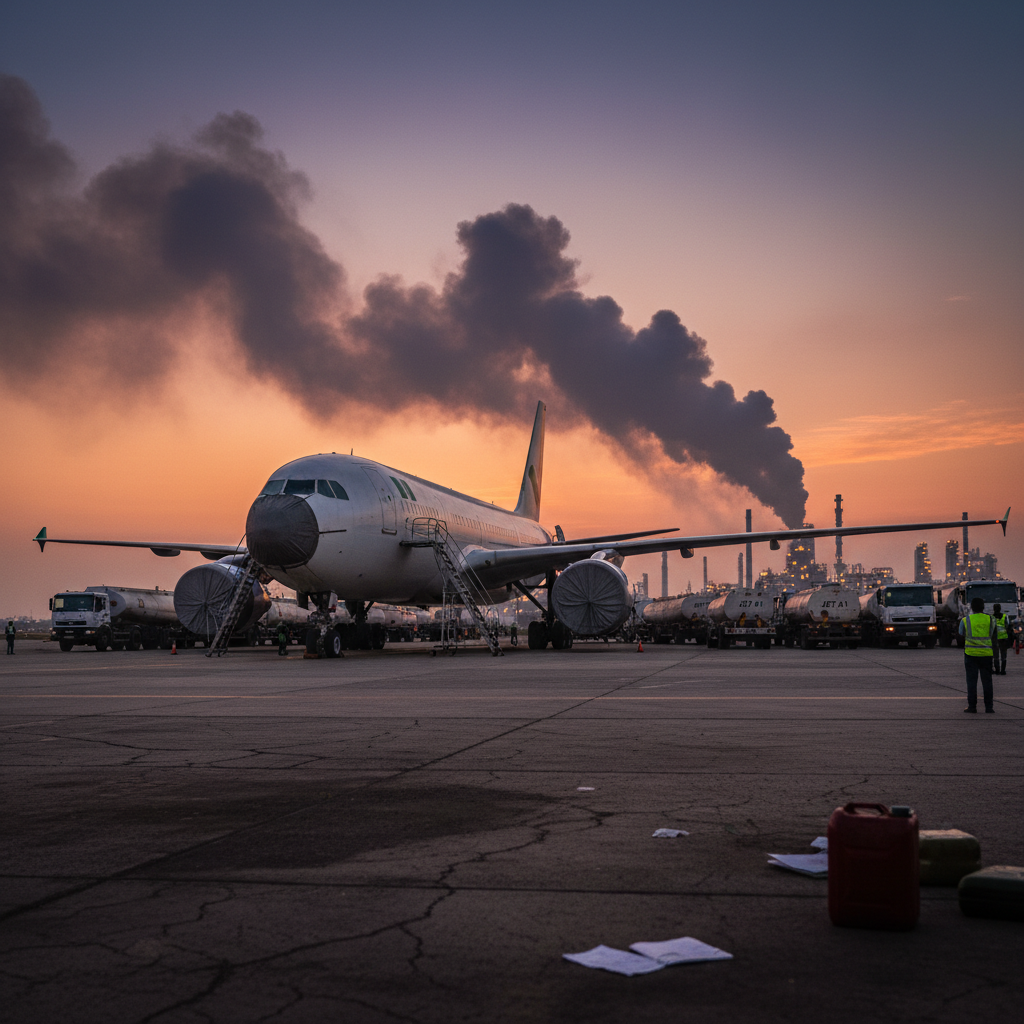
Nigeria’s government is actively considering debt relief measures as the country faces a severe Jet A1 fuel shortage impacting the operations of its domestic airlines. The crisis has threatened to disrupt scheduled flights and airline financial stability, prompting discussions among government officials and industry stakeholders.
Following a series of talks in Abuja on April 22, Nigeria’s Minister of Aviation and Aerospace Development, Festus Keyamo, announced possible policy interventions to support struggling airlines during this critical fuel scarcity. The government aims to mitigate the economic fallout and stabilize the aviation sector amid the ongoing crisis.
Impacts and Future Outlook
The fuel shortage has significantly increased operational costs and led to flight cancellations, affecting passengers and cargo movement across the country. The government’s consideration of debt relief measures reflects an effort to aid airlines in weathering the financial strain and preserve vital air connectivity in Nigeria.
Industry analysts note that the situation underscores the vulnerability of the supply chain and the importance of strategic fuel reserve management. Nigerian authorities are expected to finalize their approach in the coming weeks, balancing fiscal support with efforts to restore fuel supply stability.
This crisis highlights the broader challenges faced by emerging markets’ aviation sectors, emphasizing the need for resilient infrastructure and effective crisis response planning for the future.

