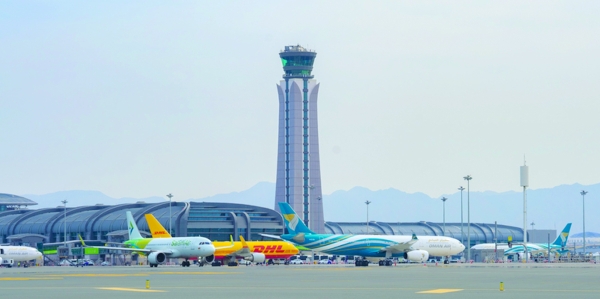
Oman’s aviation industry significantly impacts the country's economy, with a contribution of approximately $1.8 billion to the gross domestic product (GDP) and supporting around 42,000 jobs, according to recent reports from the International Air Transport Association (IATA).
The sector encompasses airlines, airports, air navigation, and related services, directly employing 17,000 individuals and generating nearly $630 million in economic output. When factoring in supply chain effects, tourism, and employee spending, the sector's total contribution reaches about 1.7% of Oman’s GDP.
Tourism and Passenger Traffic
Tourism driven by aviation significantly boosts the economy, contributing $710 million and supporting approximately 18,000 jobs. In 2023, 80% of all departures—roughly 3.8 million—originated from international travel, with the Asia Pacific region representing nearly 1.8 million passengers, making up 48% of international departures. The Middle East accounted for 1.3 million passengers (33%), with Europe adding 472,000 (12%).
Air Cargo and Logistics
Oman’s airports handled 169,500 tonnes of air cargo in 2023, facilitating critical trade and e-commerce activities. This underscores the sector's integral role in logistics and supply chain resilience.
Future Outlook and Opportunities
The aviation sector's growth offers considerable opportunities for investment, particularly in tourism and logistics infrastructure. As international passenger numbers increase, there is increased demand for premium services and expanded facilities. Nonetheless, macroeconomic vulnerabilities pose risks, requiring strategic planning to mitigate supply chain disruptions and maintain growth momentum.

