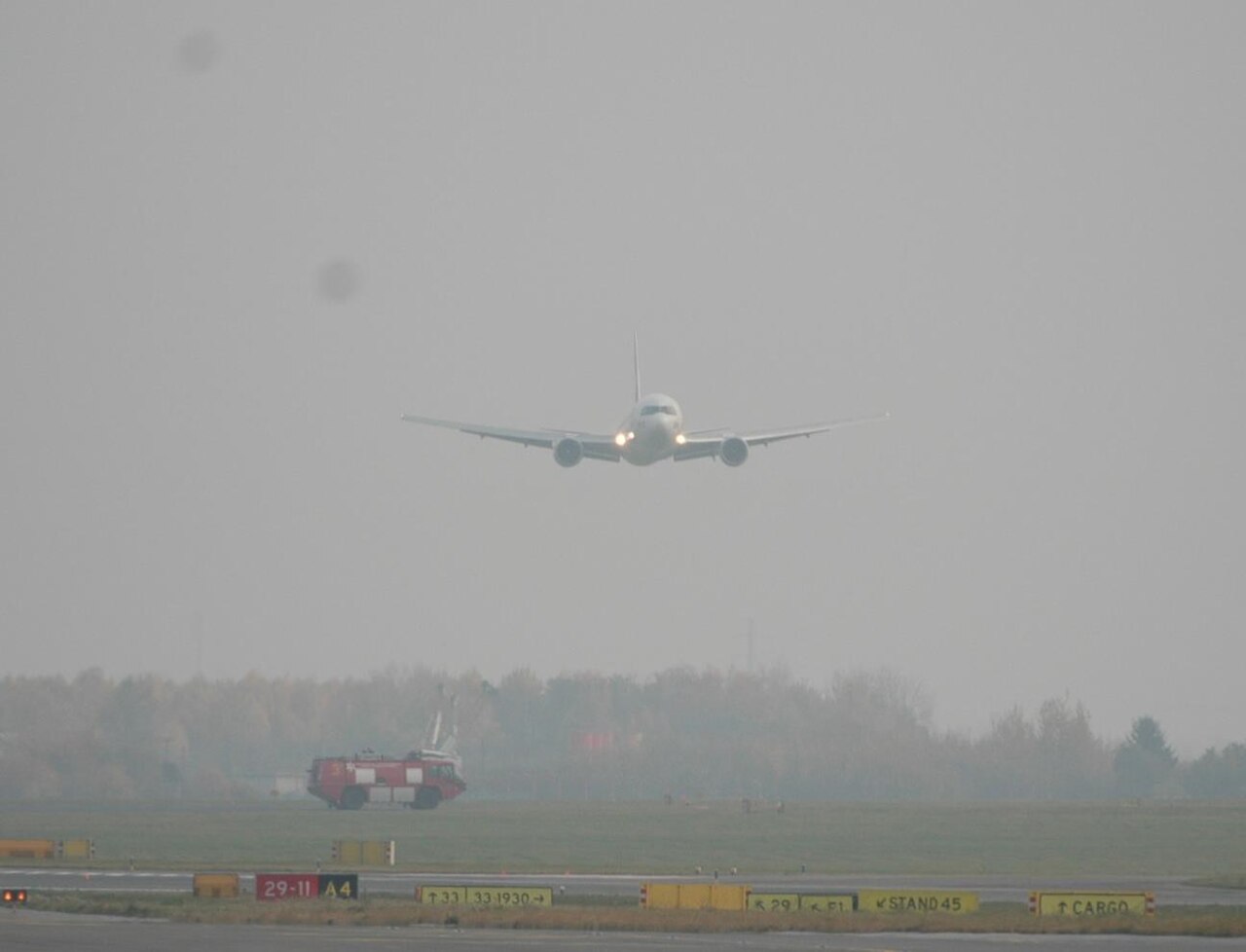
On 1 November 2011, a Boeing 767 operated by LOT Polish Airlines experienced a hydraulic system failure during a transatlantic flight from Newark to Warsaw. The failure was caused by a split flexible hose, which compromised the aircraft’s main and backup systems for extending landing gear. As a result, the aircraft arrived at Warsaw with its landing gear retracted.
Despite the simultaneous failure of the backup system—due to a circuit breaker that had popped—the pilot, Tadeusz Wrona, executed a carefully planned belly landing. He circled Warsaw for over an hour to burn fuel and prepare for the emergency, then successfully brought the aircraft down on the foamed runway with a gentle touchdown. All 231 passengers and crew evacuated safely within 90 seconds, with no injuries.
The aircraft was heavily damaged and subsequently scrapped in 2013. This incident underscored the importance of thorough maintenance procedures and the human factors involved in managing critical failures. It became a celebrated example of skillful airmanship, demonstrating that with proper training and composure, pilots can avert catastrophe even amid multiple system failures.

