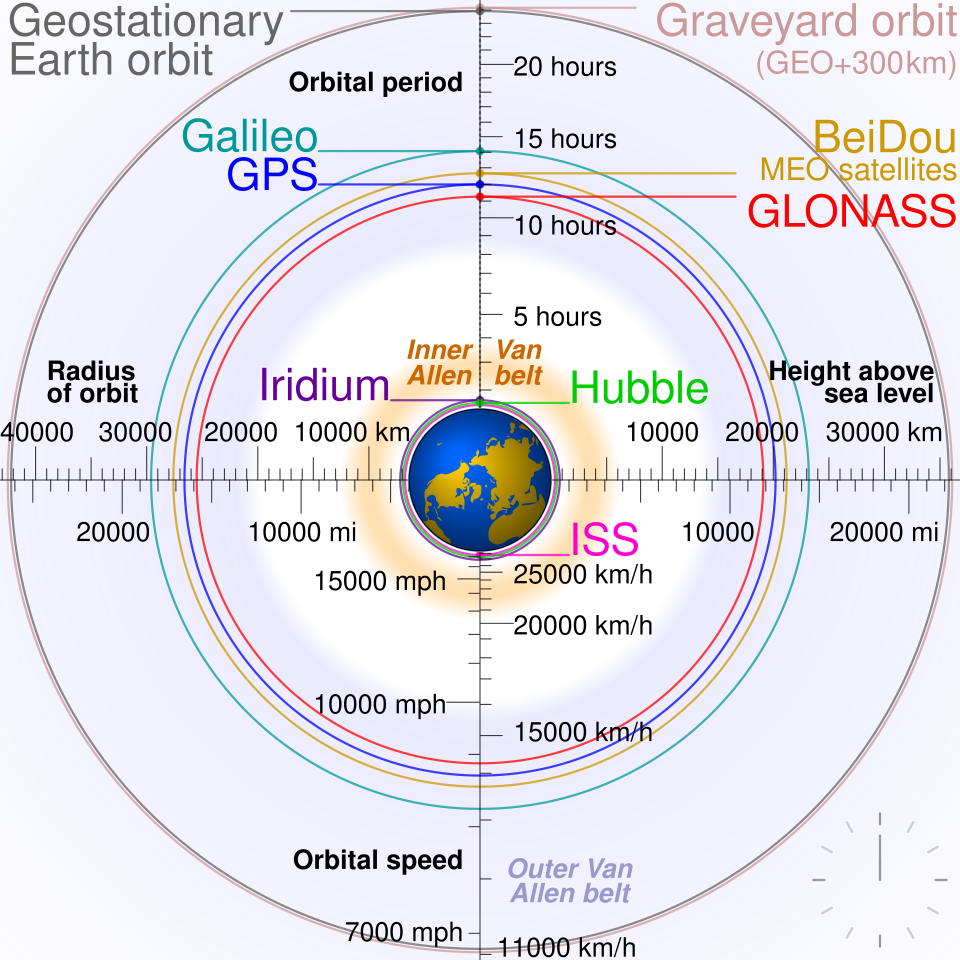
Recent data indicates a significant increase in GPS spoofing incidents affecting a broad array of aircraft worldwide. According to the IATA 2025 Annual Safety Report, these incidents have risen by 193% from 2023 to 2025, with regions such as the Eastern Mediterranean, the Middle East, the Baltic states, and the Black Sea experiencing frequent disruptions. Spoofing involves ground-based transmitters sending false satellite data, causing aircraft to believe they are in different locations, which can have serious safety implications.
While GPS jamming, which blocks signals entirely, increased by 67%, spoofing's growth reflects a qualitative shift towards more sophisticated electronic warfare tactics. Modern spoofing systems can target individual aircraft with subtle, gradual position shifts, making detection difficult and increasing the risk of navigational errors. Such activities often stem from conflicts in areas with active electronic warfare operations, and they threaten both civilian and military aviation safety.
Airlines and pilots are adapting by cross-verifying GPS data with inertial systems, ground-based navaids, and radar vectors. Longer-term solutions involve the development of authentication features in satellite systems, such as Europe's Galileo digital signatures, and the revitalization of ground-based navigation infrastructure. These measures seek to mitigate reliance on vulnerable satellite signals and enhance aviation security against electronic threats.

