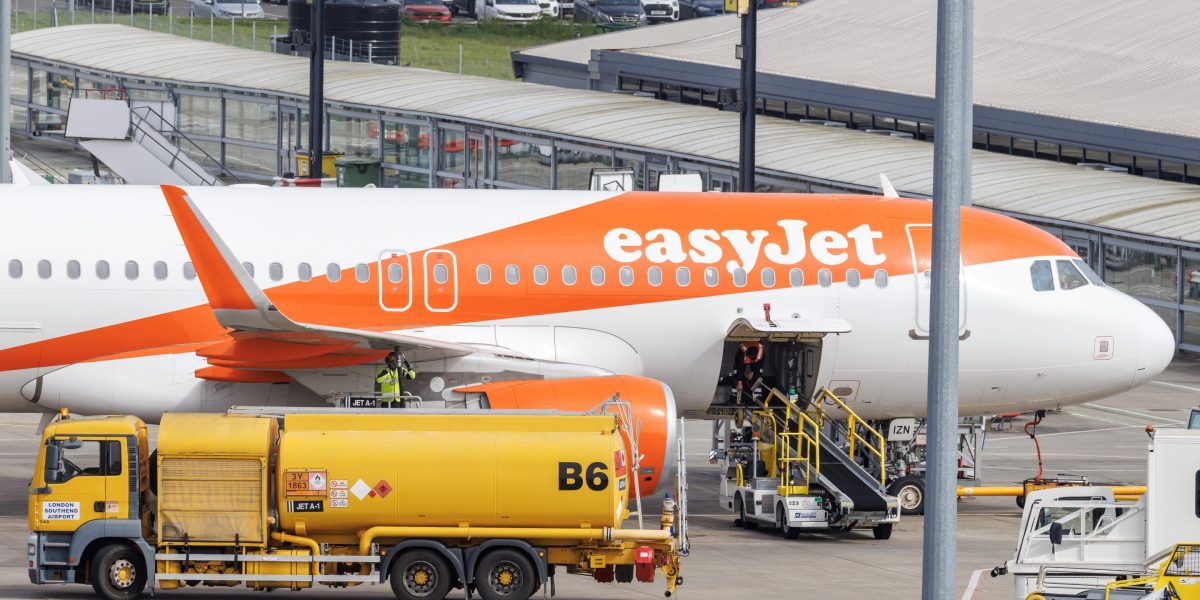
Global airline operations are facing significant headwinds as the surge in jet fuel prices prompts carriers to cut capacities and cancel flights. Major European airlines, such as KLM, have announced the cancellation of dozens of flights, with data indicating a 3% reduction in capacity for May among the top 20 airlines. This contraction stems from geopolitical tensions involving Iran and the Strait of Hormuz, which have disrupted fuel supplies and increased operating costs.
The International Energy Agency warns that Europe has only six weeks of jet fuel reserves remaining, intensifying the operational pressures on airlines. European carriers like Lufthansa have responded by grounding aircraft and shutting down subsidiaries, while US airlines such as Delta and United are enacting capacity cuts and raising fares to offset higher fuel expenses. Chinese airlines are also adjusting their schedules, canceling flights as fuel costs remain high.
Geopolitical Factors and Industry Outlook
The conflict in Iran and associated sanctions have not only affected fuel supplies but also created uncertainty about the Strait of Hormuz, a critical passage for global oil shipments. Iran asserts the Strait is open, causing oil prices to drop temporarily; however, the geopolitical situation remains unstable, influencing airline decisions worldwide. Analysts forecast that capacity reductions may intensify if the geopolitical tensions persist, potentially dampening overall industry growth for the year.
"More reductions in capacity are likely as airlines reassess routes and schedules amidst rising fuel costs," said industry analysts.
Overall, the aviation industry is adapting to these challenges through fleet adjustments and route cancellations, but further disruptions are anticipated if geopolitical and supply chain issues continue. The situation underscores the vulnerability of global transportation networks to geopolitical conflicts and energy market fluctuations.

