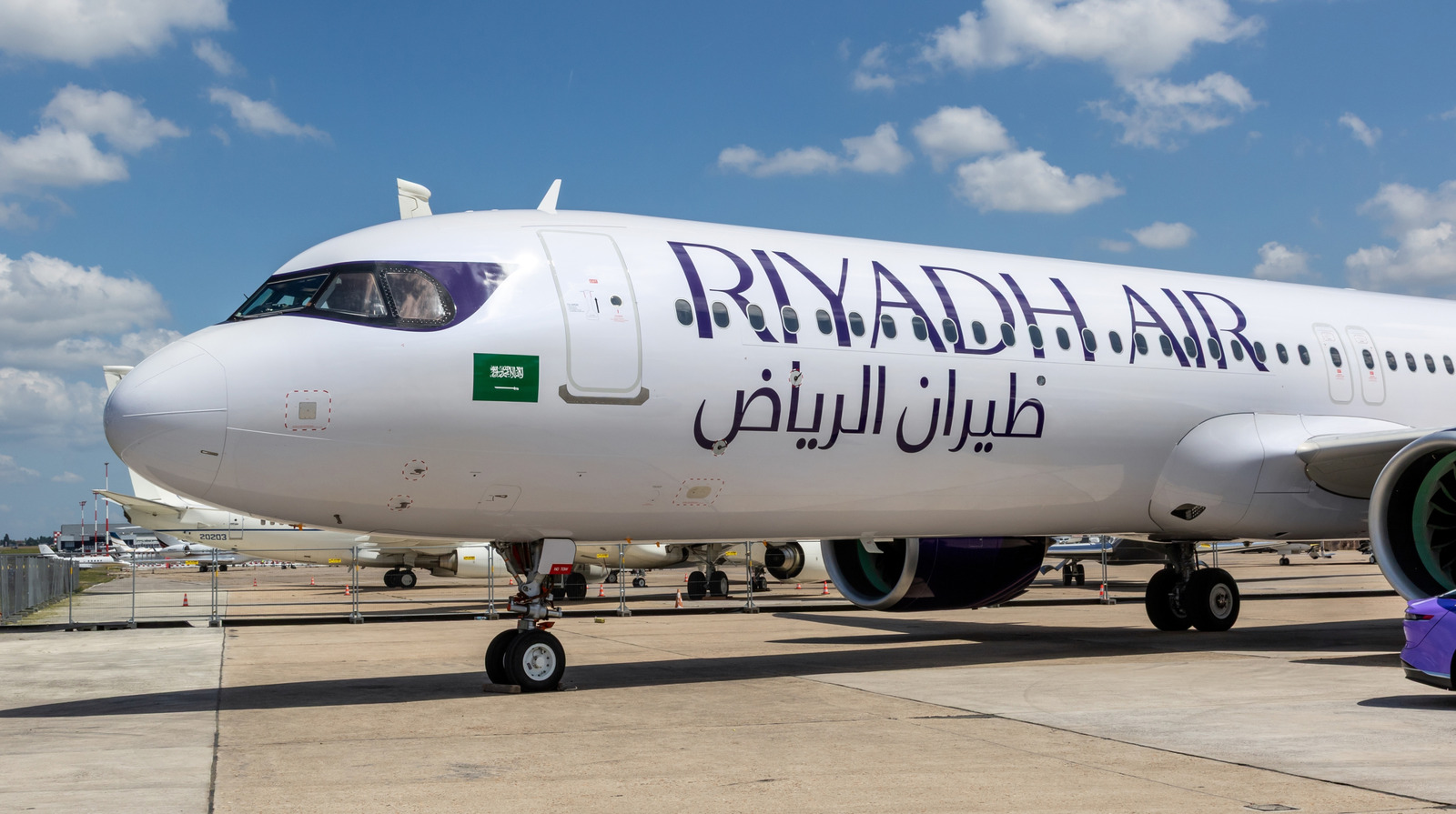
Riyadh Air, established in 2023 by Saudi Arabia's Public Investment Fund, is claiming to be the world's first "AI-native" airline, integrating artificial intelligence into all aspects of its operations. With plans to commence commercial flights in the first half of 2026, the airline is leveraging technology partner IBM to embed AI systems across customer service, employee support, and business decision-making.
The airline's automation initiatives include AI-driven voice bots and a digital workplace for staff, which is designed to streamline tasks and manage human resources. Additionally, at the airport, employees will utilize an "AI-based concierge" that can suggest dialogue options to improve guest interactions and assist with operational issues such as late arrivals.
Operational and Business Implications
Beyond passenger-facing interactions, Riyadh Air intends to use AI to optimize its route network, enhance efficiency, and increase profitability. By reducing operational costs, the airline aims to offer competitive pricing and improve margins. This approach reflects a broader industry shift toward automation, which could have implications for employment in the sector.
"Built for the future and creating a pathway for many airlines to follow," said Chief Financial Officer Adam Boukadida.
In collaboration with IBM, a historic leader in computing, Riyadh Air seeks to set a new standard for AI adoption in aviation. However, the integration of automation raises concerns about potential job losses, as some roles traditionally performed by humans may be replaced. IBM itself announced layoffs in early 2025, citing automation among the reasons.
As this AI-driven model develops, industry observers will watch whether Riyadh Air's pioneering efforts inspire other airlines to follow suit or raise questions about the future workforce in aviation.

