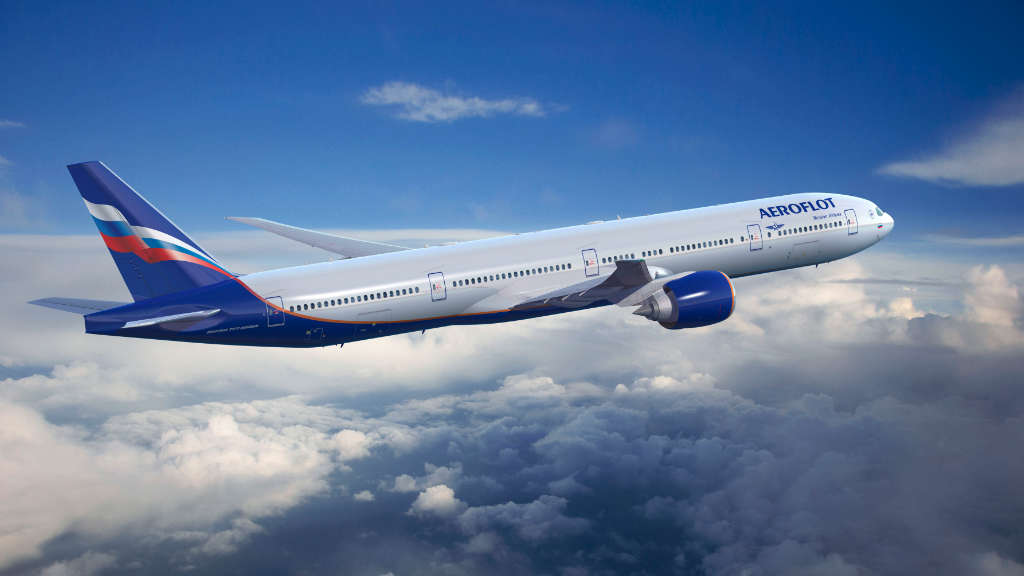
Russia’s strategic diplomatic relations within the Shanghai Cooperation Organisation, Commonwealth of Independent States, and other regional alliances have enabled its nationals to access Southeast Asian destinations more freely than Europeans, who face restrictions due to ongoing conflicts in the Middle East. The shift in routing emphasizes Russia's investment in Eurasian corridors, bypassing traditional Middle Eastern airspace, especially during the peak winter travel season.
The cancellation of the southern routes used by Europe has led Russian carriers to utilize alternative pathways across Eurasia, passing through countries such as Kazakhstan, Uzbekistan, Turkmenistan, Afghanistan, Pakistan, and India to reach islands like the Maldives, Sri Lanka, and Southeast Asian mainland countries. These routes offer comparable flight times and are increasingly vital if Middle Eastern conflicts persist, threatening traditional routes and regional connectivity.
While these new routes provide opportunities for regional development and refueling options — including transit points like Mary in Turkmenistan and Bukhara in Uzbekistan — they also present challenges. Notably, Afghanistan lacks commercial Air Traffic Control services, requiring pilots to operate on a visual flight rules basis, with strict pre-transit confirmation with the Taliban, although diplomatic relations are maintained only by Russia.
As geopolitical tensions continue to influence global aviation pathways, the evolving routing landscape underscores the importance of regional alliances and diplomatic relations in shaping the future of air travel in Asia and beyond.

