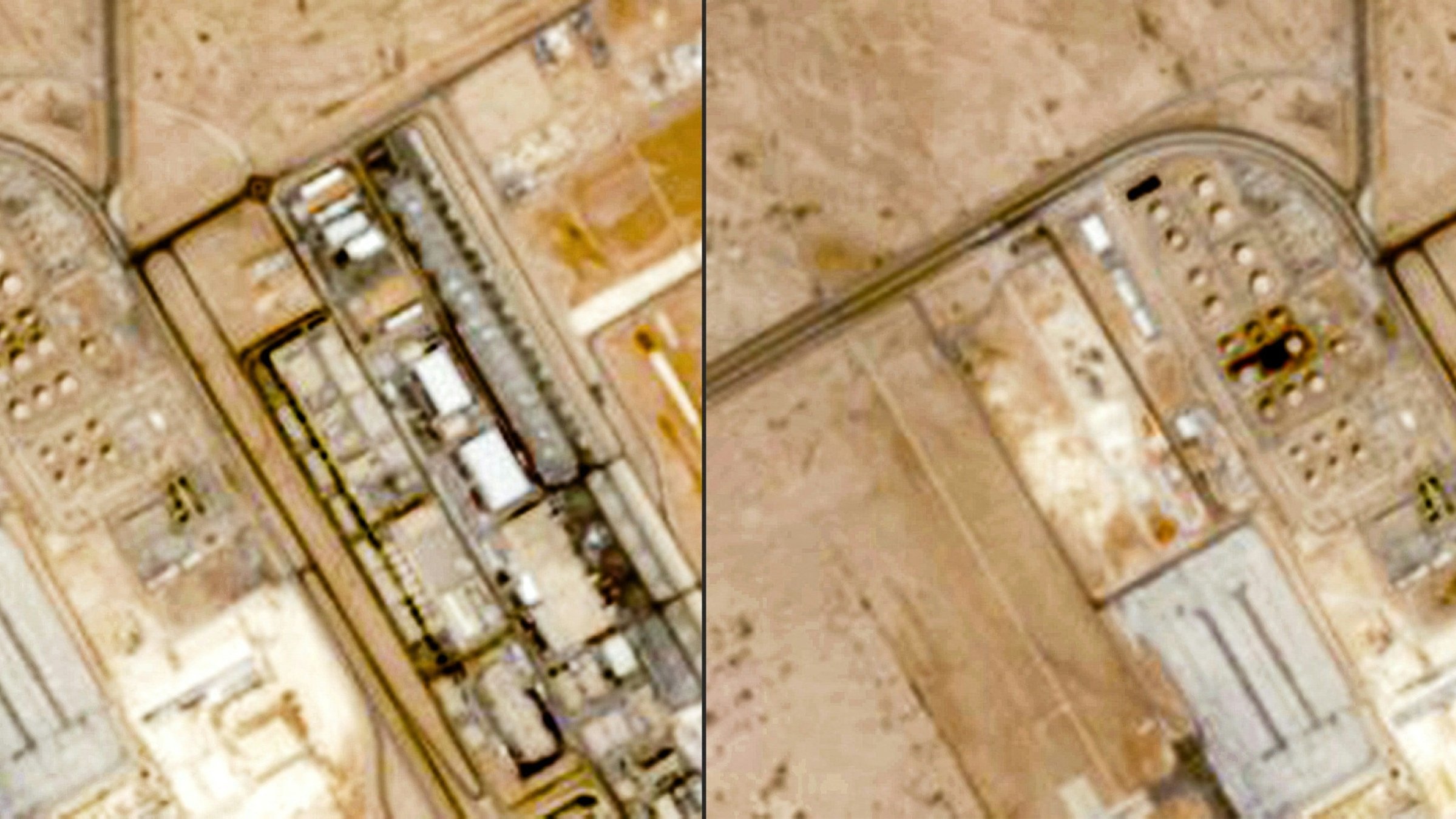
Three individuals lost their lives in recent attacks on two major airports in Saudi Arabia, according to the country's General Authority of Civil Aviation. The attacks targeted Abha and King Khalid International Airport in Riyadh, with the Houthis in Yemen claiming responsibility for launching ballistic missiles and drone strikes. The Saudi authorities, however, did not assign blame to any specific party.
Details reveal that the attack on Abha Airport resulted in the deaths of Moroccan and Algerian residents, injuring 28 others. Meanwhile, the assault on King Khalid Airport caused the death of a Sudanese national and wounded eight. Following these incidents, Saudi authorities have increased security measures, including erecting fences around vital infrastructure, such as oil facilities operated by Aramco near Riyadh.
Regional Tensions and Military Responses
The Houthis, an Iran-backed faction fighting against Saudi-led coalition forces, stated they targeted King Khalid International Airport with ballistic missiles and drones. The coalition's spokesperson reported intercepting a missile north of Riyadh, and flights experienced brief disruptions. These events are part of a broader escalation, with Saudi and Yemeni forces conducting a significant ground and air offensive to regain territory lost along Yemen’s Red Sea coast and Bab el-Mandeb Strait, a critical maritime chokepoint.
The Institute for the Study of War highlighted that the Houthis aim to disrupt Saudi economic and military stability by targeting civilian and strategic infrastructure. The rebels also claimed strikes against other key locations, including airports and military bases within southwestern Saudi Arabia near the Yemeni border. Inside Yemen, fighting continues around the town of Dhubab, south of Mokha, amidst ongoing conflict between Houthi rebels and the internationally recognized government.
These escalations underscore the ongoing volatility in the region, where both military confrontations and regional geopolitical tensions persist, impacting global trade and oil markets.

